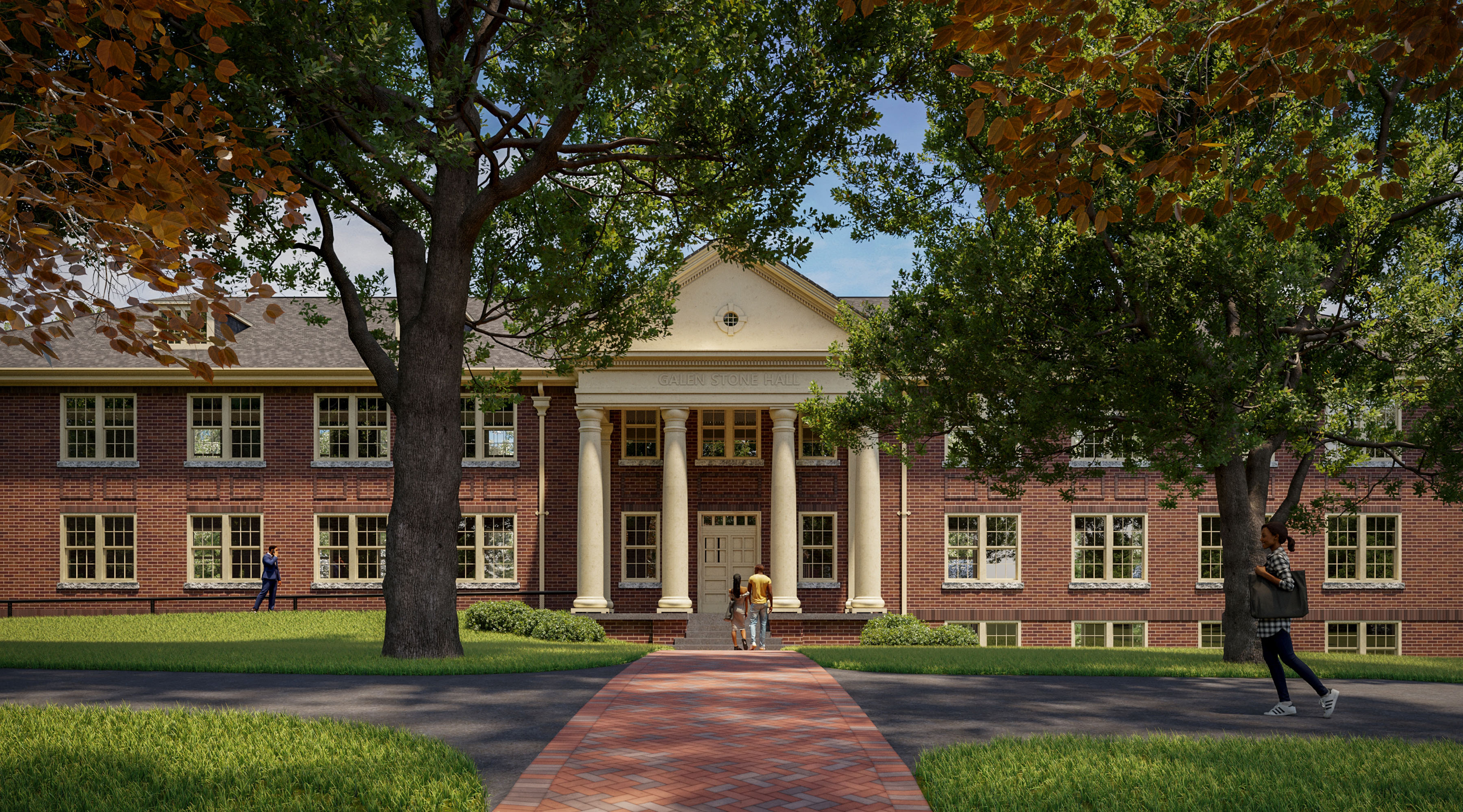
Galen Stone Hall at the Charlotte Hawkins Brown Museum. Rendering RAMSA/Alden Studios, 2025.
Share this story:





Preserving Sites of Women’s History
Women-led collaborations between RAMSA and the National Trust for Historic Preservation.
RAMSA Women's Leadership Initiative
Melissa DelVecchio, FAIA
RAMSA and Where Women Made History, a program of the National Trust for Historic Preservation, partnered in 2022 to provide pro bono planning and design services to organizations that preserve sites of women’s history.
Since then, we have completed two flagship projects under this partnership: the reimagining of Stone Quarry Art Park in Cazenovia, New York, and the revitalization of the historic Palmer Memorial Institute as the Charlotte Hawkins Brown Museum in North Carolina. Both projects emphasize honoring women’s legacies—artist Dorothy Riester and educator Dr. Charlotte Hawkins Brown—while shaping sustainable, community-engaged futures for their respective organizations. We prioritized deep engagement with local stakeholders, including staff, community members, alumni, and artists, ensuring that planning was responsive to the needs and aspirations of those most connected to the sites.
While both projects shared the same goal of positioning a historic site as an active cultural center and learning hub, the planning process and final recommendations produced by RAMSA were ultimately distinctive, guided by the existing resources, dedicated leadership teams, and preservation needs of each site.
Stone Quarry Art Park
The first project, Stone Quarry Art Park (SQAP), reimagines the long-time home, studio, and multi-acre landscape of innovative artist Dorothy Riester and its ongoing operation as a not-for-profit arts organization. Led by women from RAMSA’s Women’s Leadership Initiative, the National Trust, and SQAP, the project builds on the legacy of the site to help shape the park into a public place for the creative experimentation of art in conversation with the natural environment.
A distinguished regional artist, Dorothy Riester (1916–2017) made significant contributions to the fields of historic preservation, land conservation, architecture, and design throughout her lifetime. She and her husband, Bob Riester, purchased the property in 1958 and built most of the living and working structures including the historic Hilltop House and studio. Overlooking the valleys and lakes of Cazenovia, New York, the Riesters often welcomed their friends, neighbors, and other visitors to their home for art creation, performances, and recreation. In 1991, they formally established Stone Quarry Art Park as a non-profit contemporary arts space. Today, the 104-acre park is open to the public year-round, hosting a variety of activities such as exhibitions, workshops, and artist residencies.
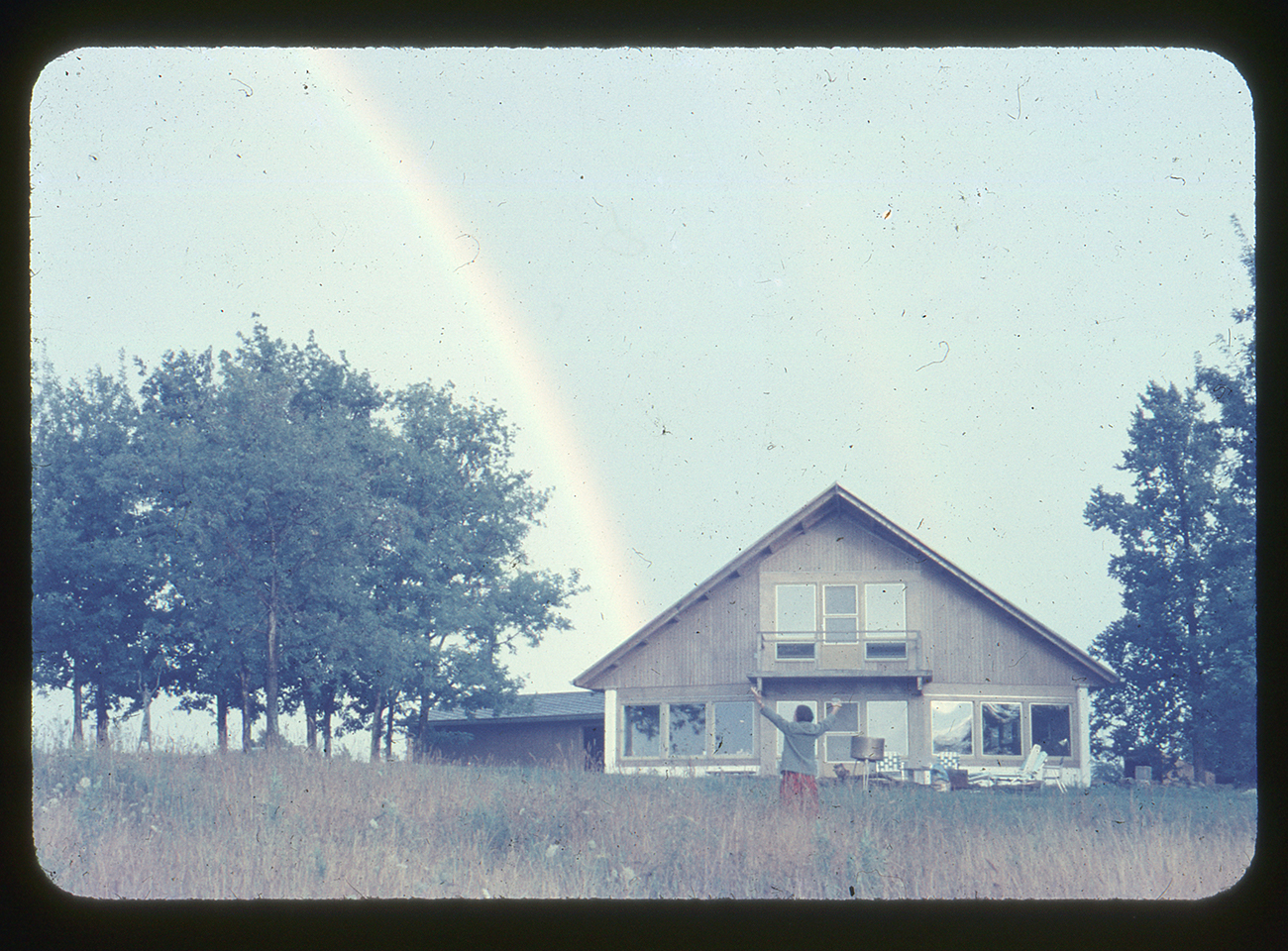
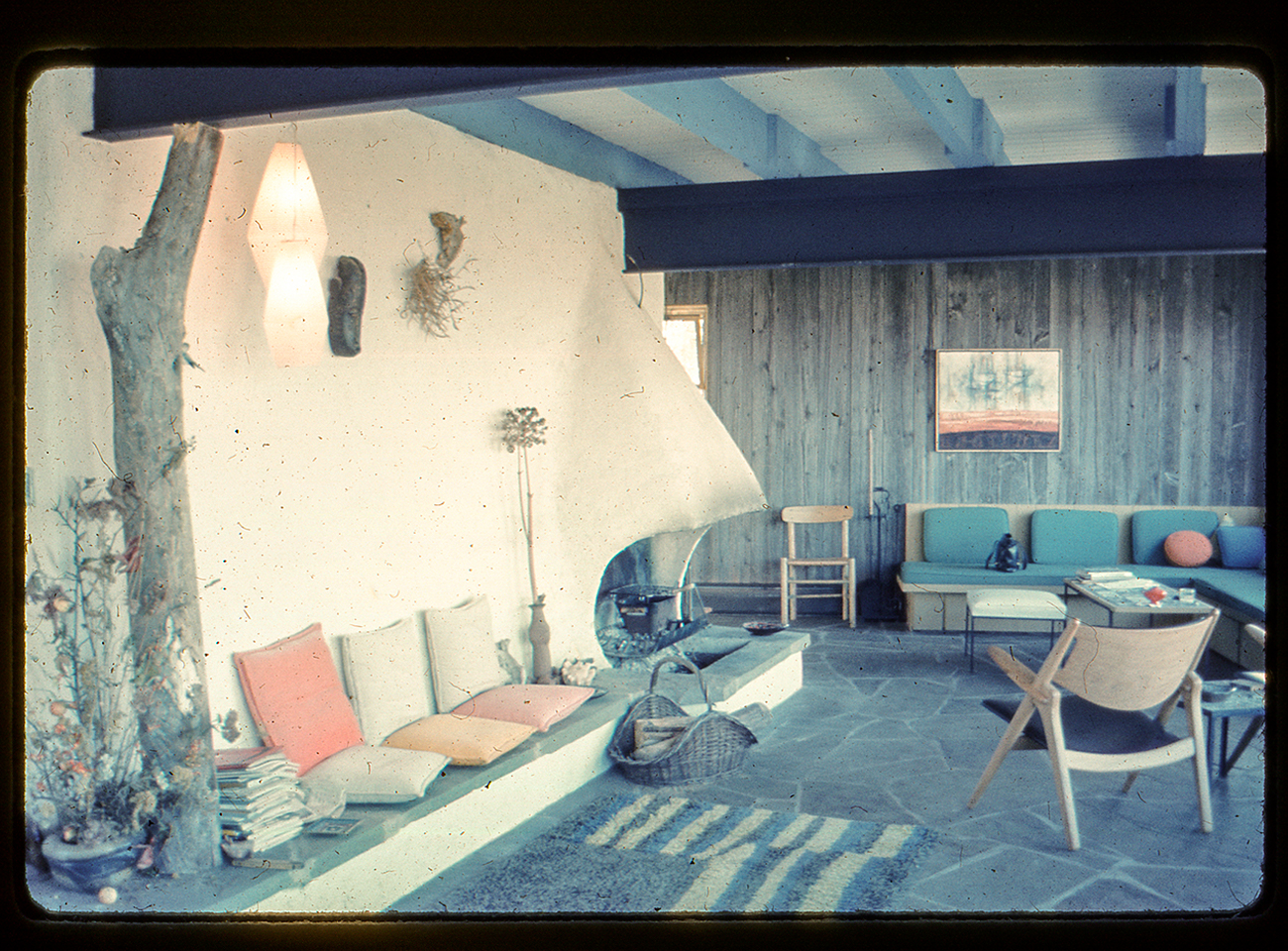
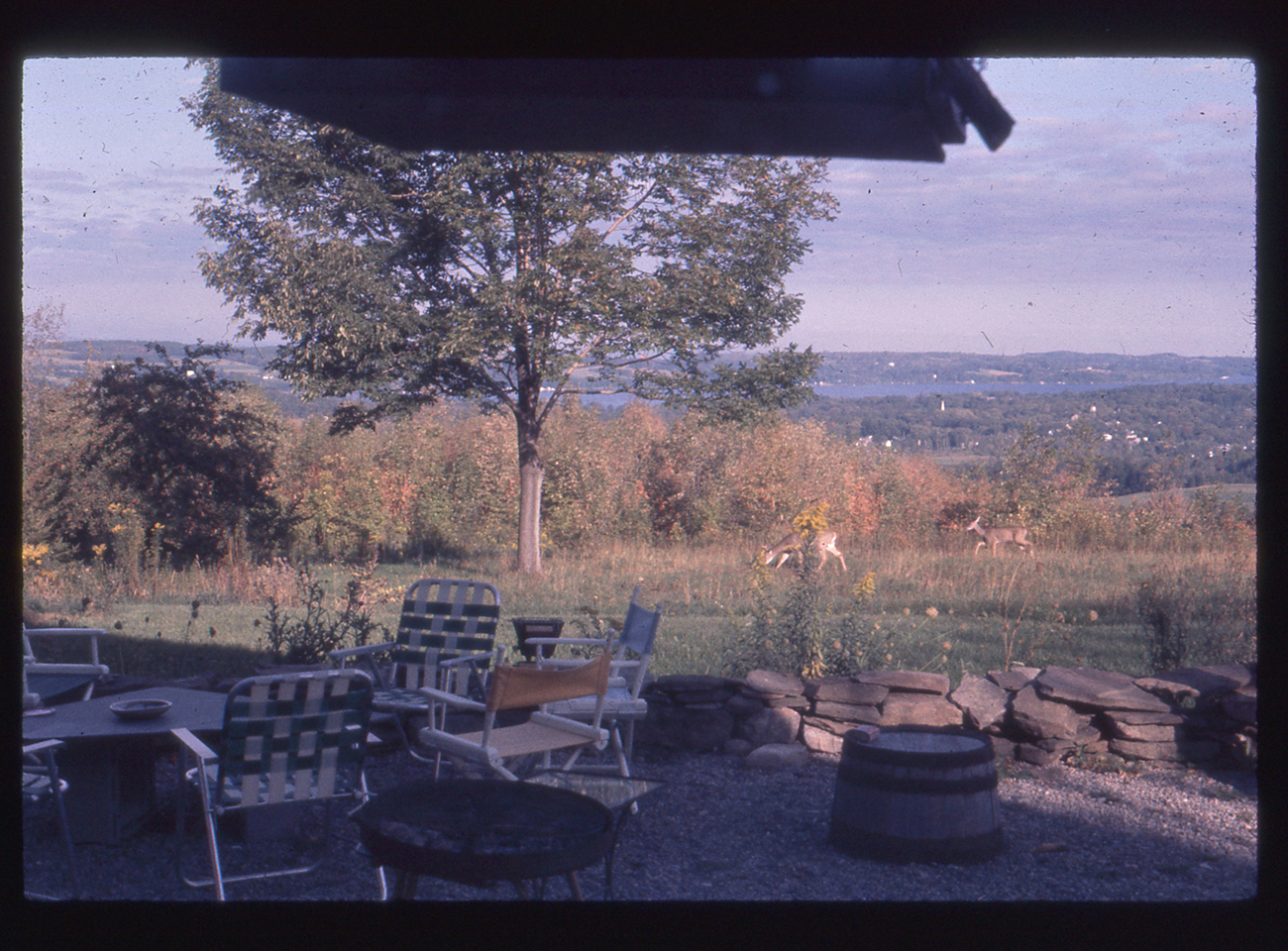
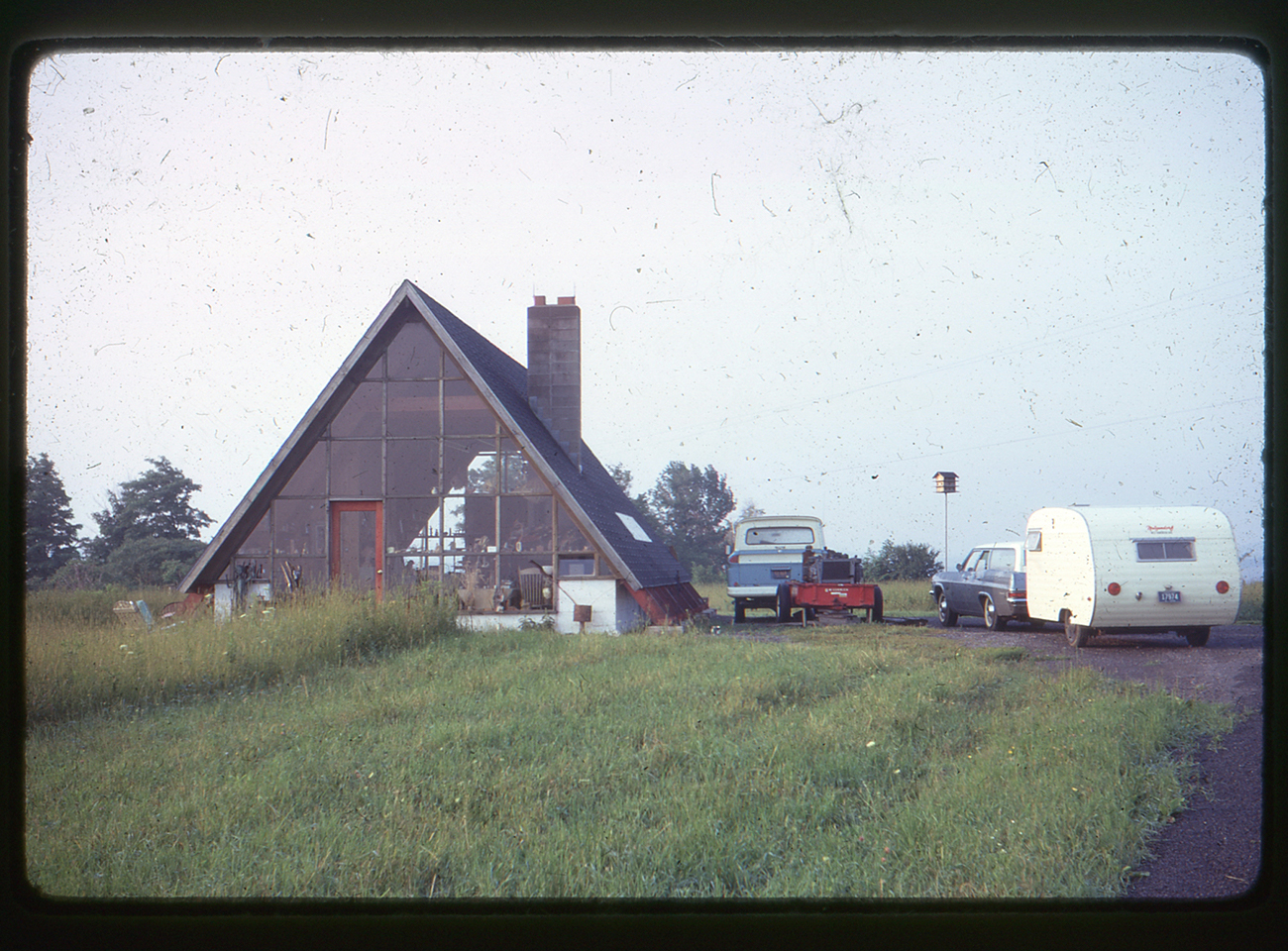
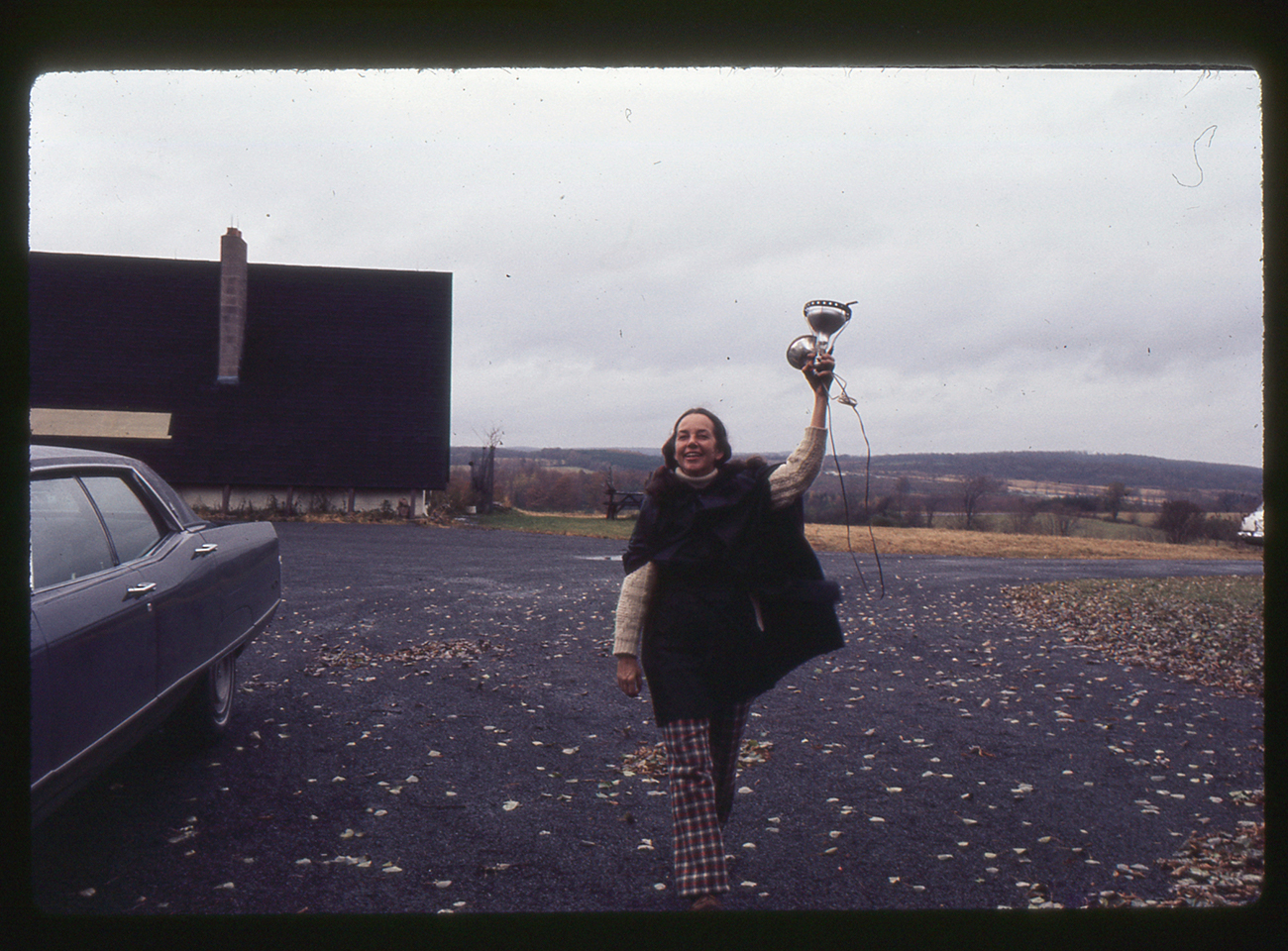
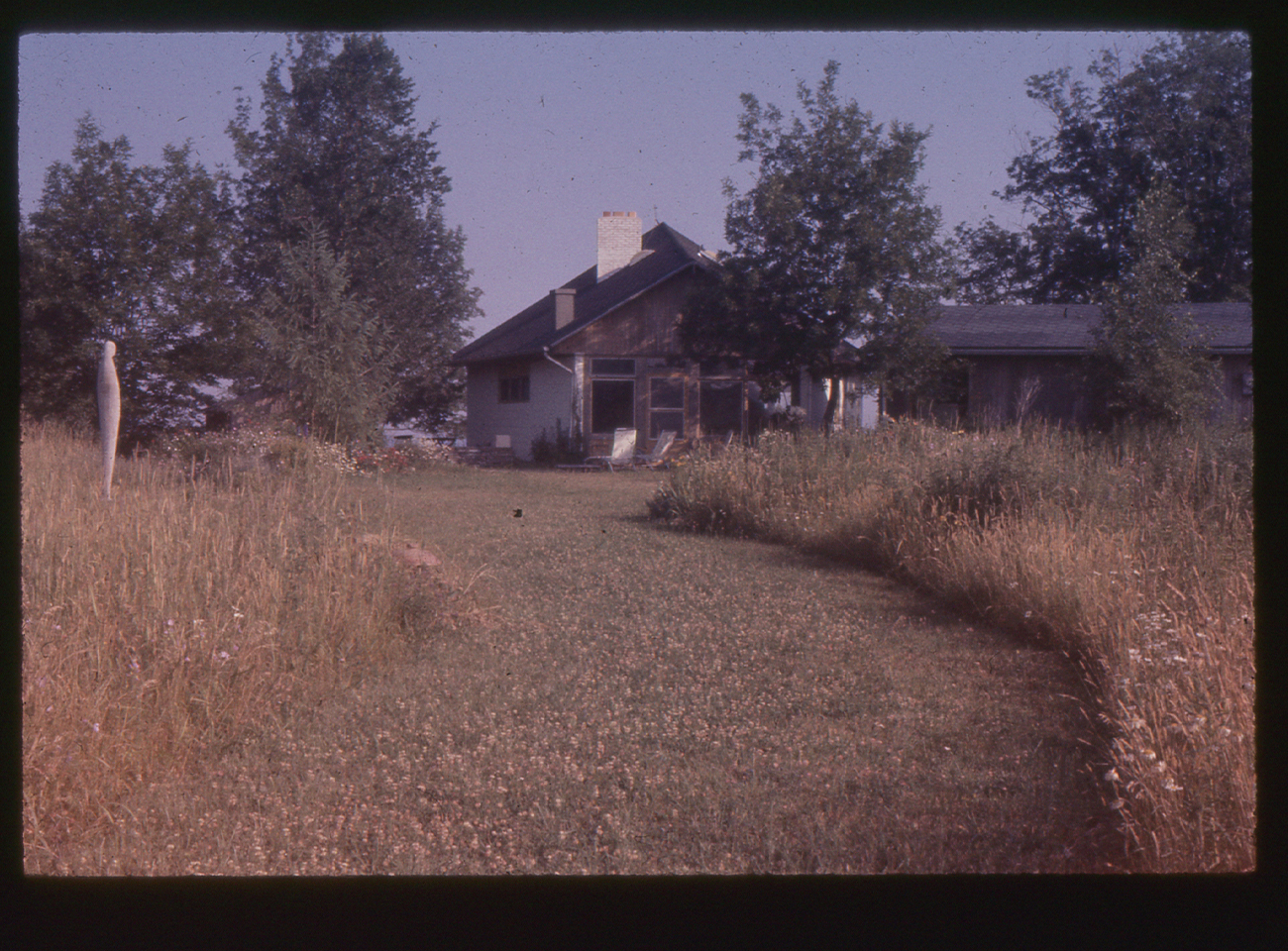
Swipe through! Archival images of Dorothy Riester and the Stone Quarry Art Park property. Photographs SQAP, c. 1960s and 1970s.
Collaborating closely with SQAP CEO Emily Zaengle and National Trust Directors Christina Morris and Valerie Balint, RAMSA’s cross-disciplinary team engaged in ongoing discussions—not only to define the contents and scope of the deliverable, but also to address the complex questions of how to best preserve and foster Riester’s legacy while simultaneously evolving and expanding the site to accommodate future needs.
Central to defining the purpose of the project was the group’s site visit. Over the course of two days, the team observed the existing conditions—comparing original drawings to as-built structures and extensively photographing important features—and experienced how key stakeholders engage with the site through art-making, staff-led tours, and round table discussions. Zaengle’s creative itinerary inspired a more personal and informed document than a standard strategic plan. Following the site visit, the process continued with studying the park at various scales and experimenting with several programmatic scenarios to test more efficient and effective ways to inhabit the property.
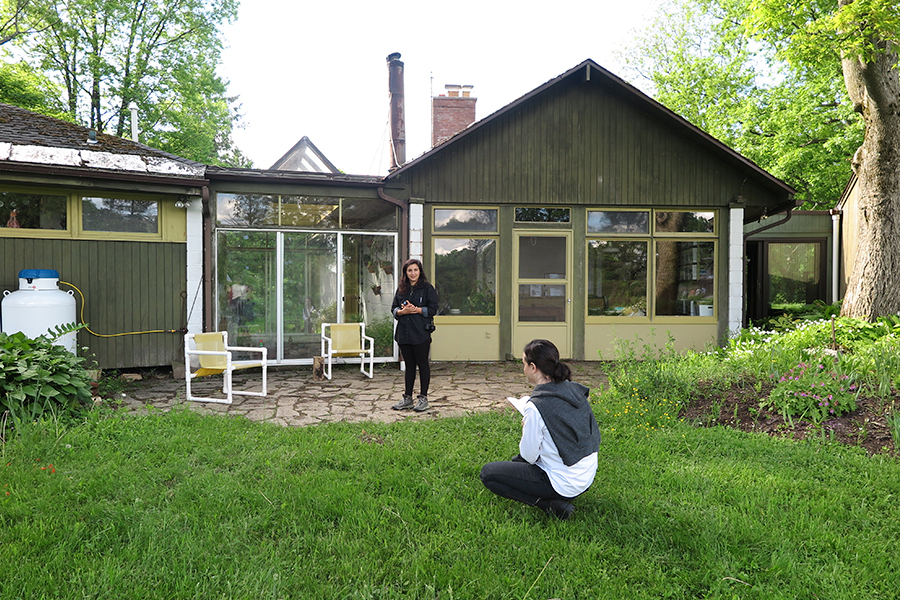
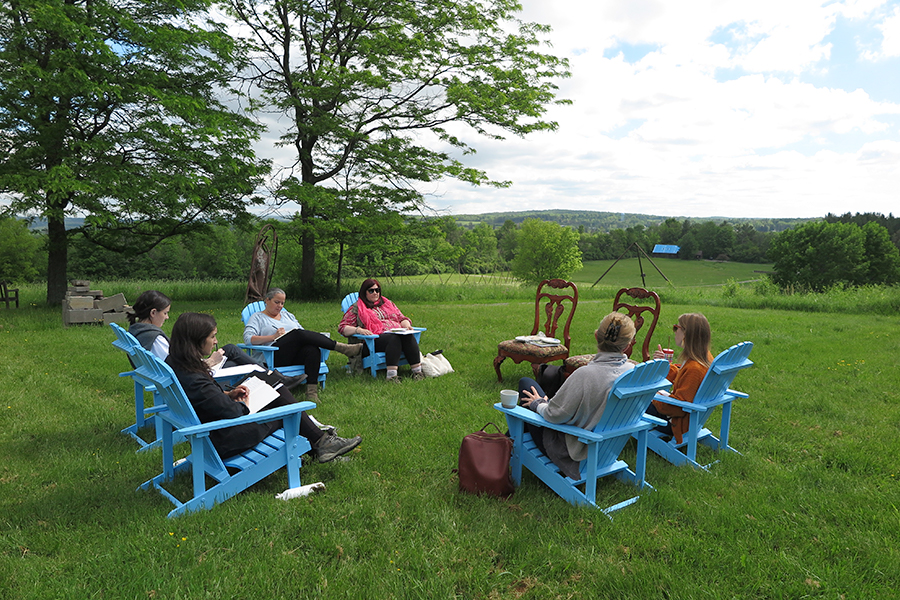
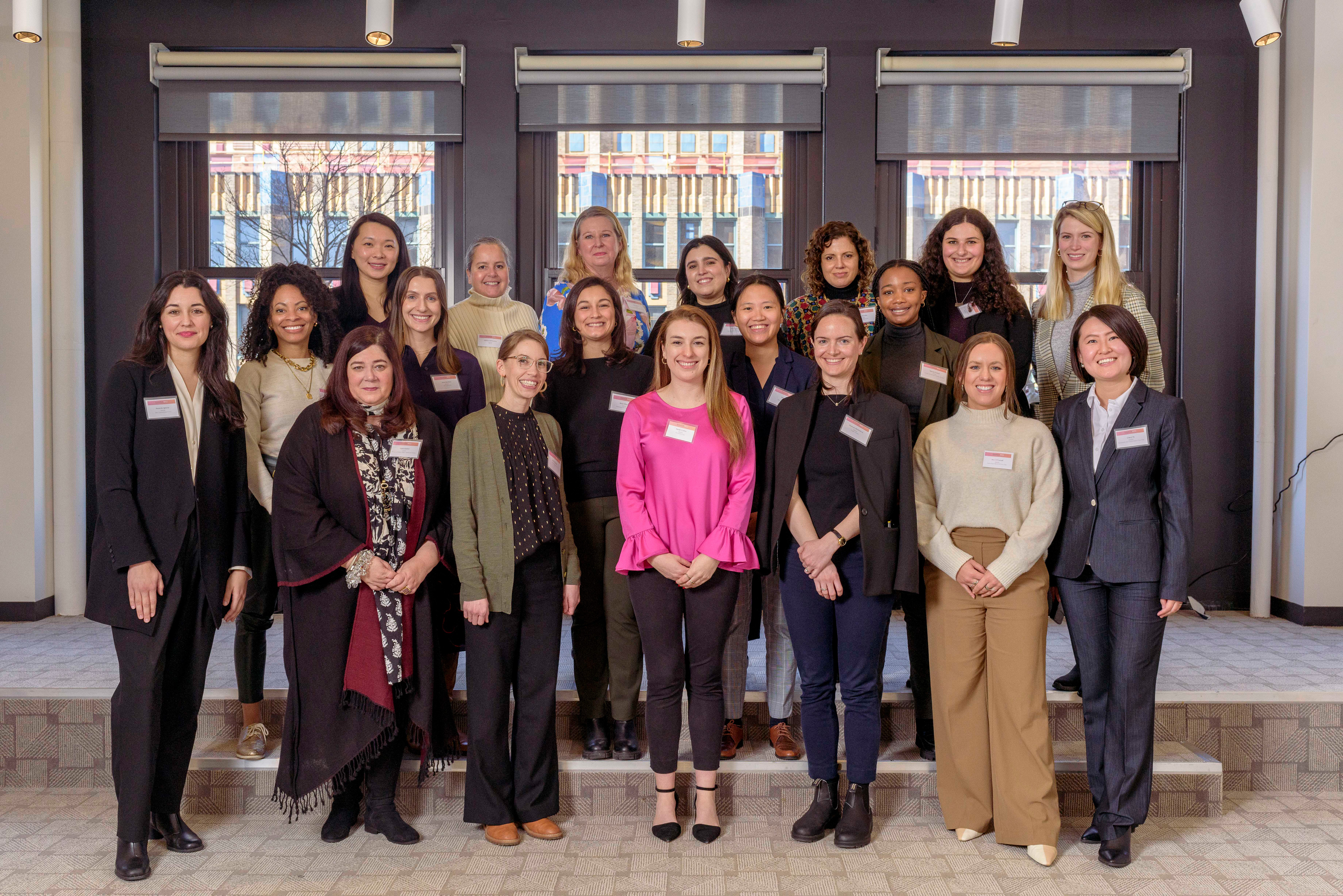
The project team completed a two-day site visit that included verifying plans, art-making, and roundtable discussions with staff, members, and artists. Photographs RAMSA, 2022.
Stone Quarry has always been an organic place—Dorothy was constantly changing things and the structures onsite reflect the many events and exhibitions hosted at the park. It is a canvas for creativity and experimentation, and our site visit led us to realize that we should tread lightly and offer a roadmap to tackle a series of smaller projects that support this spirit of reinvention.
— Melissa DelVecchio, RAMSA Partner
The final document, A Guide for Shaping the Land and Facilities of Stone Quarry Art Park, synthesizes the architectural and cultural history of the site and presents planning and programming recommendations based on an analysis of current conditions. The recommendations maximize the use of existing structures and promote continued flexibility, particularly as SQAP board members and staff balance the needs of artists and park visitors. Instead of determining a specific use for each space, the goal is changeability for public and private use, and as park initiatives evolve.
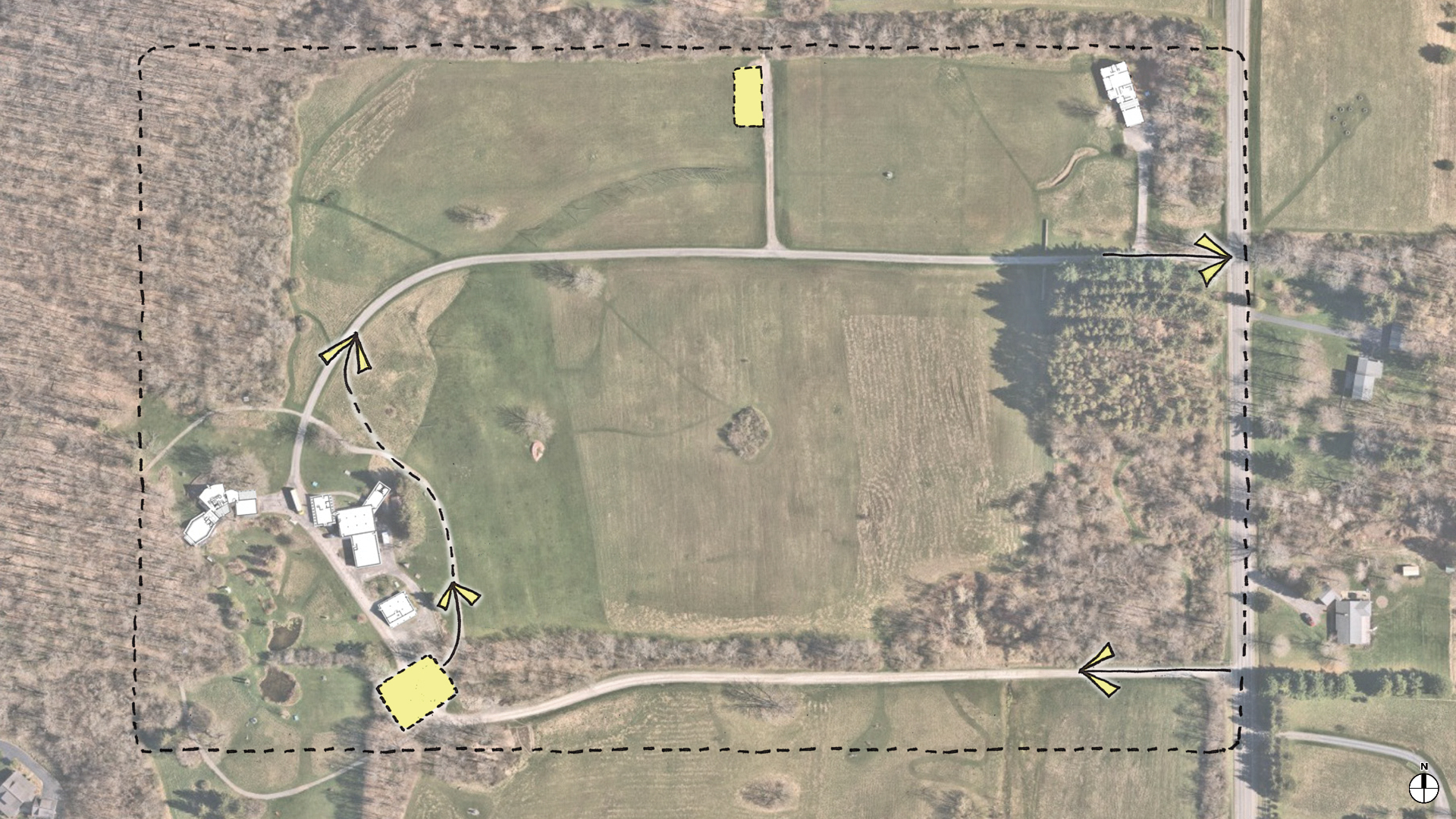
Proposed site circulation: Reversing the park’s circulation would create a clear path to the main parking lot on the hilltop plateau, near the maintenance barn. Visitors would enter the park from the south driveway which was the original route to the Hilltop House.
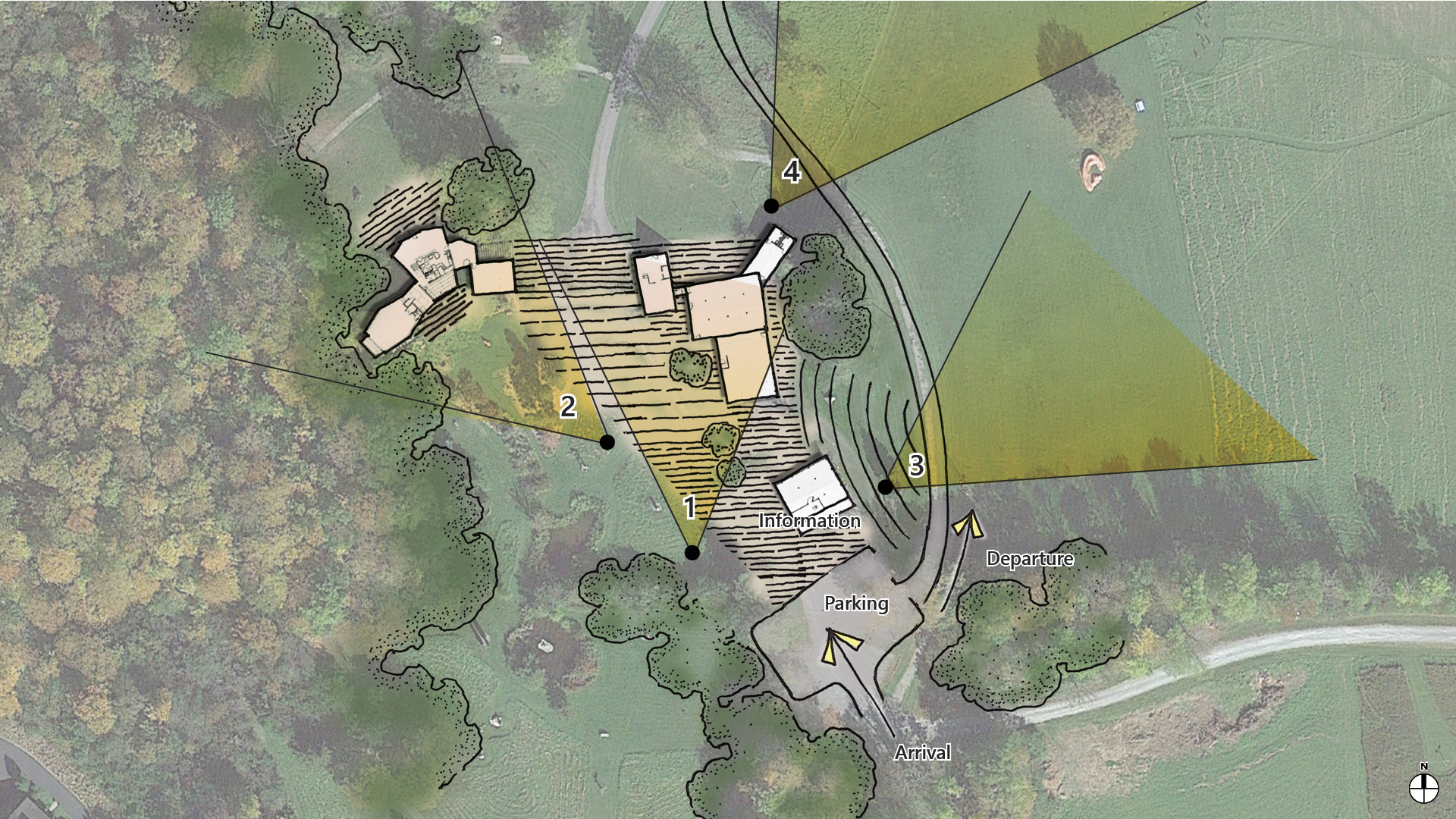
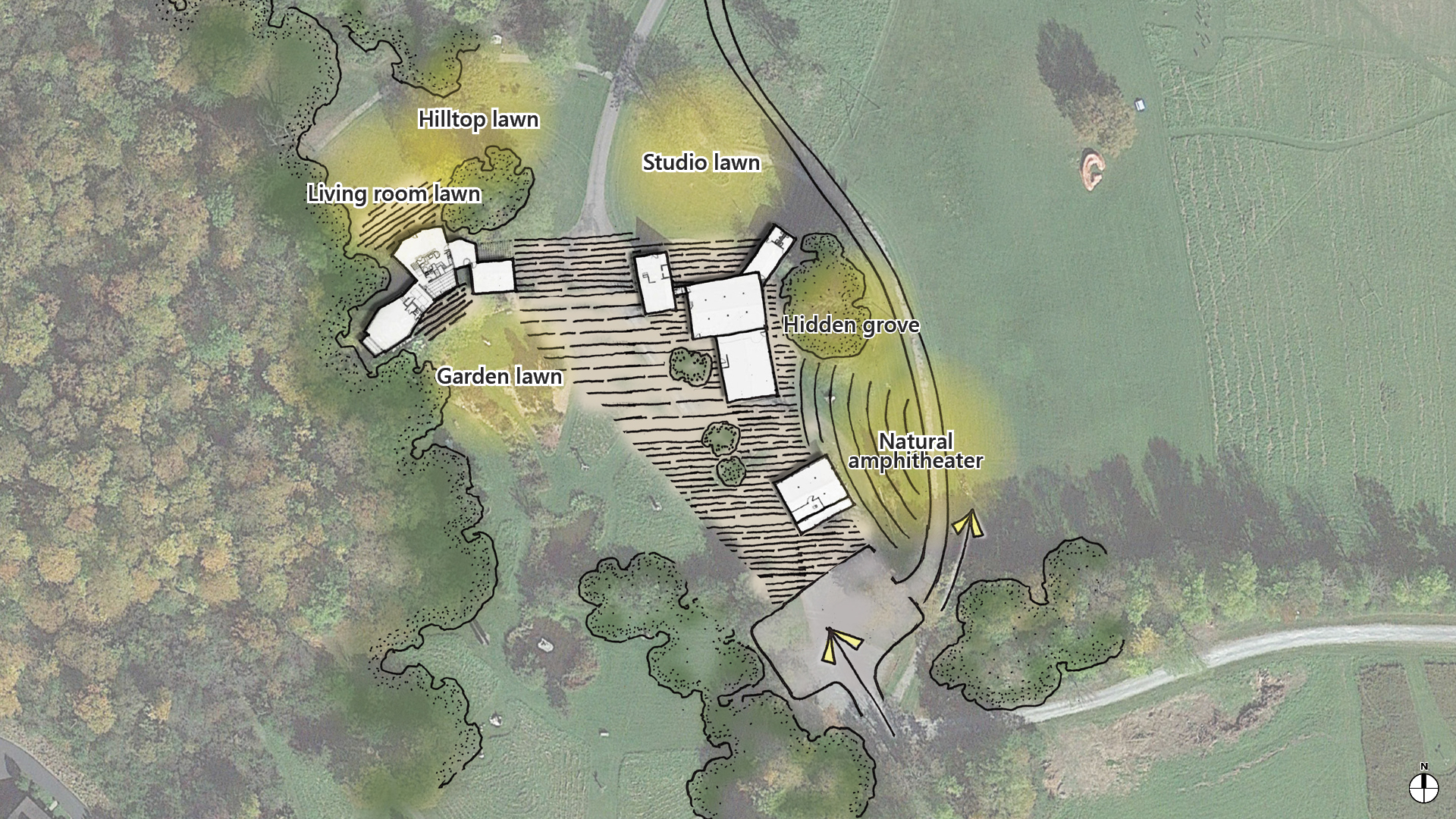
Proposed arrival sequence (left) demonstrates how the reversed circulation proposal can create more pedestrian-friendly spaces on the hilltop; proposed softscape installations provide “garden rooms” that serve as extensions to the artists’ work and exhibit spaces.
Charlotte Hawkins Brown Museum at the Palmer Memorial Institute
The most recent project, a campus plan for the historic Palmer Memorial Institute (PMI), revitalizes the former educational institution as the Charlotte Hawkins Brown Museum (CHB)—a thriving center for African American culture, education, and community, rooted in the legacy of the school’s founder.
Dr. Charlotte Hawkins Brown (1883–1961) was an African American educator and civil rights activist who established the Palmer Memorial Institute in 1902. Over the course of her 50-year tenure as president, Dr. Brown transformed an agricultural and industrial training program into a one-of-a-kind finishing school and college preparatory academy with an international reputation. At its height, the campus consisted of more than 300 acres of land and 14 buildings.
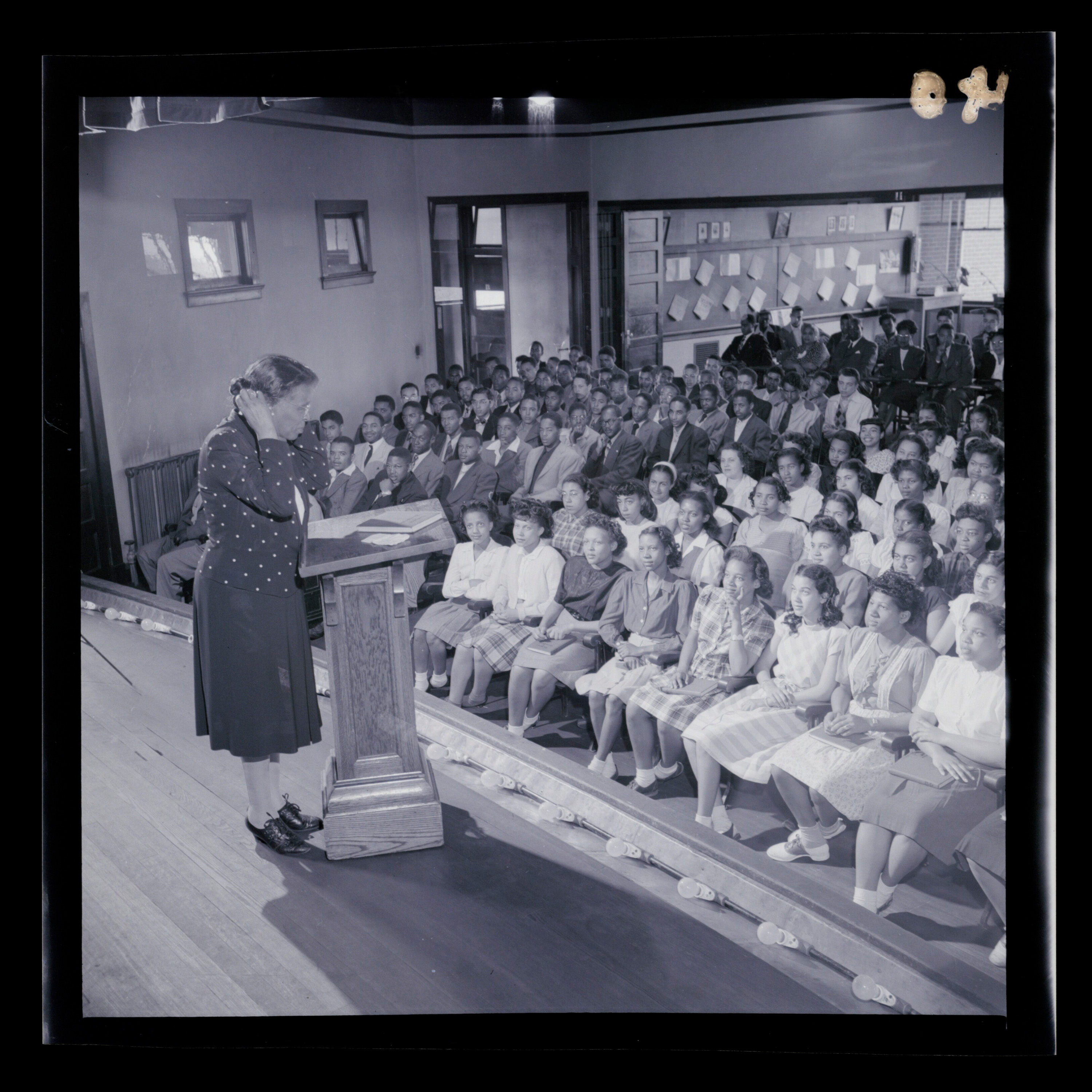
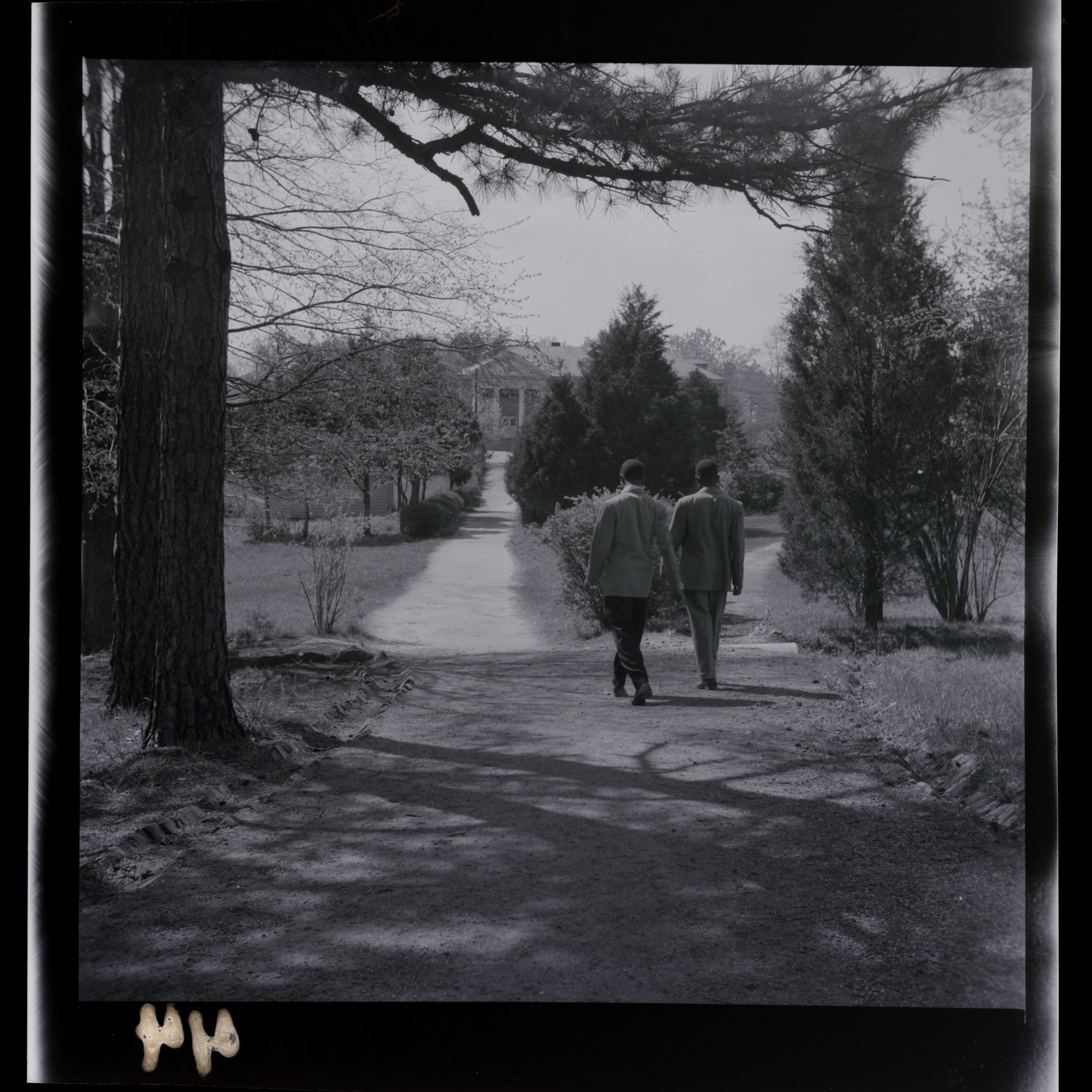
Scenes from the Palmer Memorial Institute campus (c. 1947); (left) Dr. Brown addressing the student body at a chapel service. Source: Griffith J. Davis photographs and films, Duke University Libraries.
Disused after the school closed in 1971, the property was eventually acquired by the state of North Carolina in 1985 and designated as the state’s first historic site honoring the contributions of its African American citizens. Located in Sedalia, a small town outside Greensboro, the site is now an active museum that promotes understanding and dialogue about Black history in the U.S. and Dr. Brown’s enduring impact.
RAMSA’s planning and feasibility study commenced when the new museum was deep into a strategic visioning process, thus consideration of their physical footprint proved an important parallel effort. Our team of architects, planners, and researchers gathered diverse sources to inform the project, ranging from archival research to site visits and listening sessions with alumni and community members. The team, working closely with CHB Site Manager Tanesha Anthony, also thoroughly analyzed the site’s historic fabric and current inefficiencies to gain a comprehensive understanding of the multi-structure property.

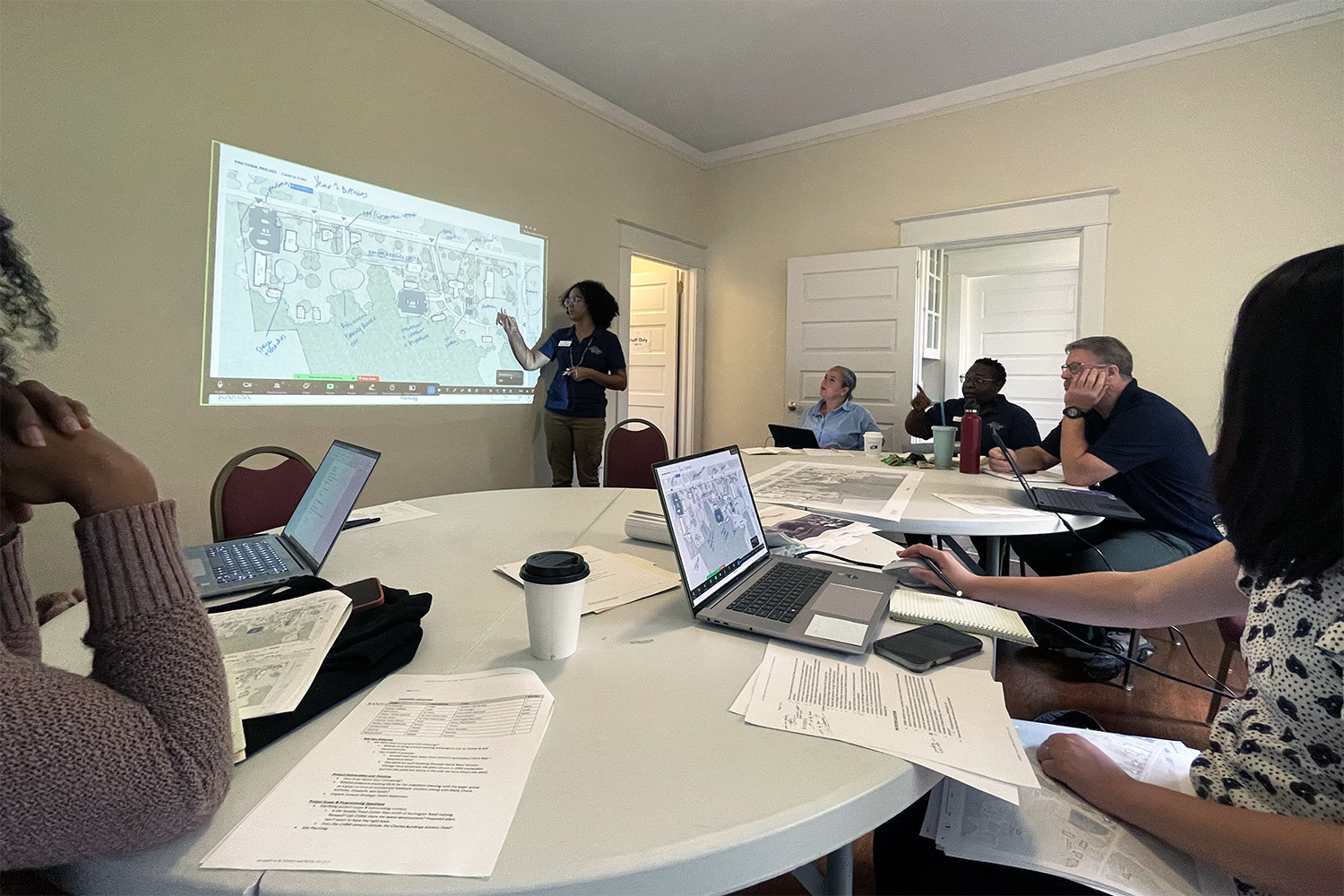
The site visit allowed the project team to have one-on-one conversations with CHB staff and state officials. Photographs RAMSA, 2022 and 2024.
Central to the recommendations was the decision to conceptualize the sprawling site into new zones that aligned with the desired programming. By grouping the existing buildings and outdoor spaces into clusters, the overall transformation foregrounds efficient operation and development over time. Next the team performed numerous test fits to determine what kinds of uses (offices, workshops, archival storage, auditoriums, etc.) were most appropriate for the adaptive reuse of the historic buildings and outdoor spaces.
Iterative and collaborative, the design process culminated in a 177-page campus plan that proposes strategies for strengthening the identity of the campus, accessibility and circulation improvements, and innovative programming for local economic development and education. The recommendations serve to guide conversations with staff, partner organizations, and constituents regarding future development and placemaking opportunities. Further, the ideas are designed for asynchronous implementation, allowing for incremental progress based on funding and priorities.
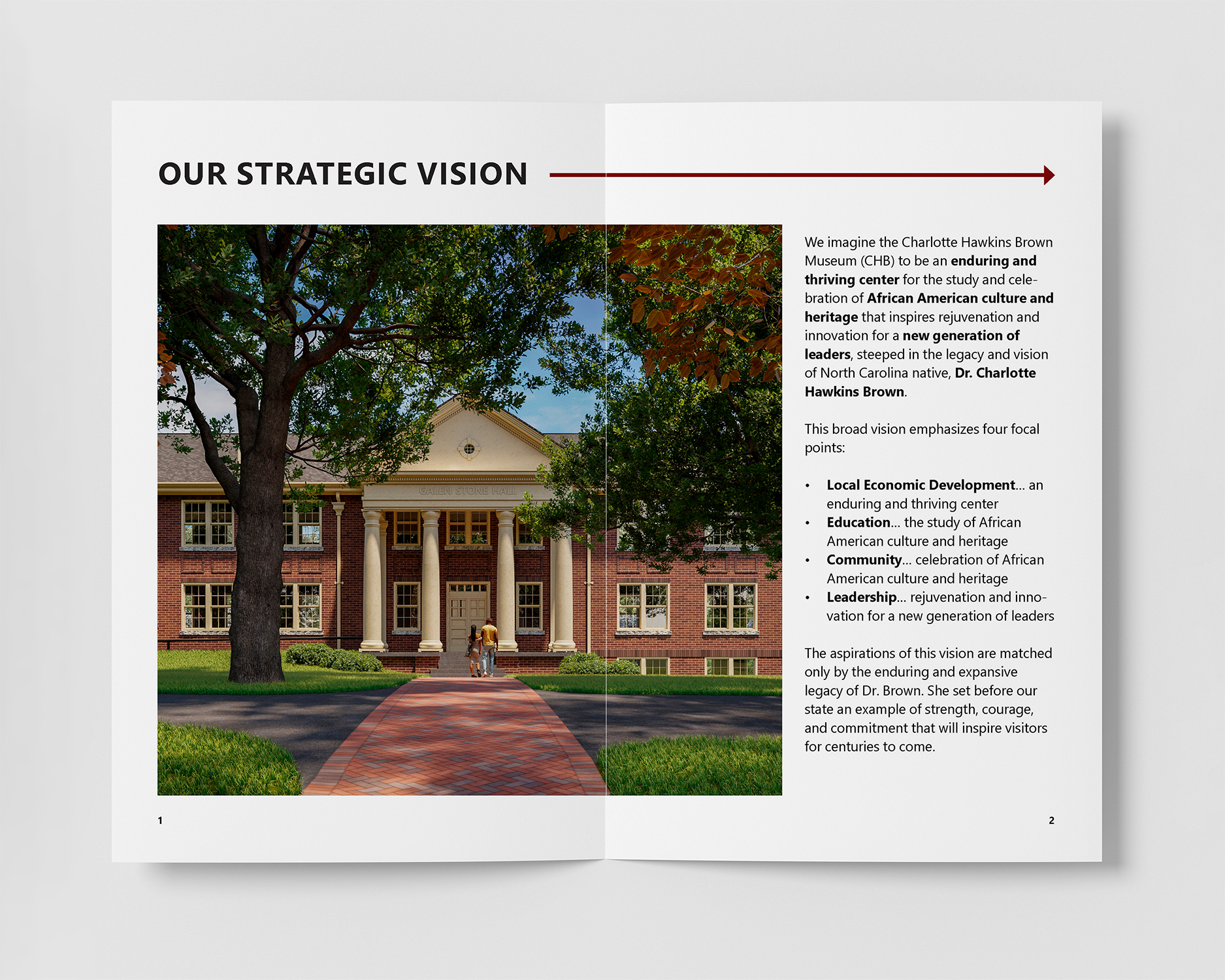
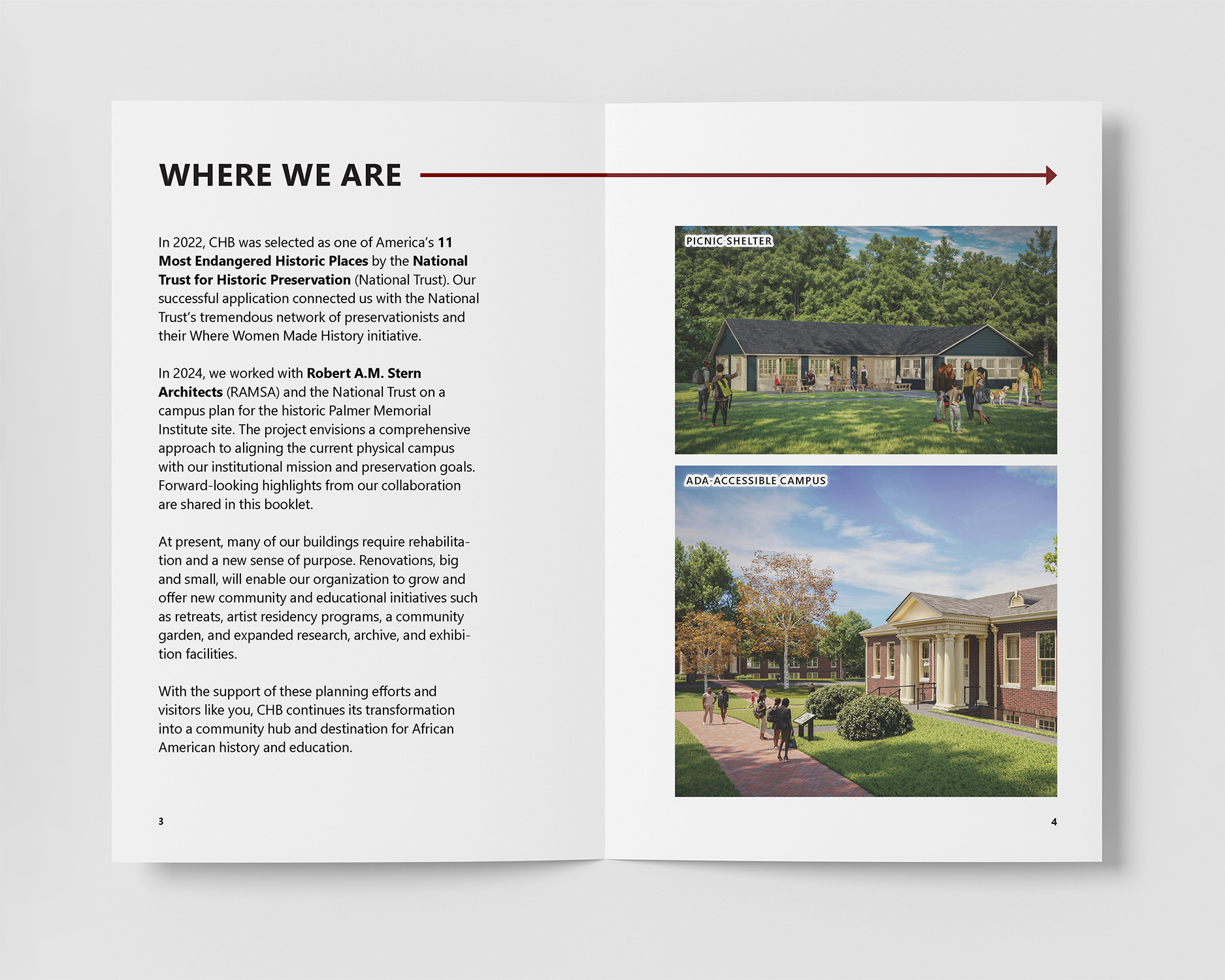
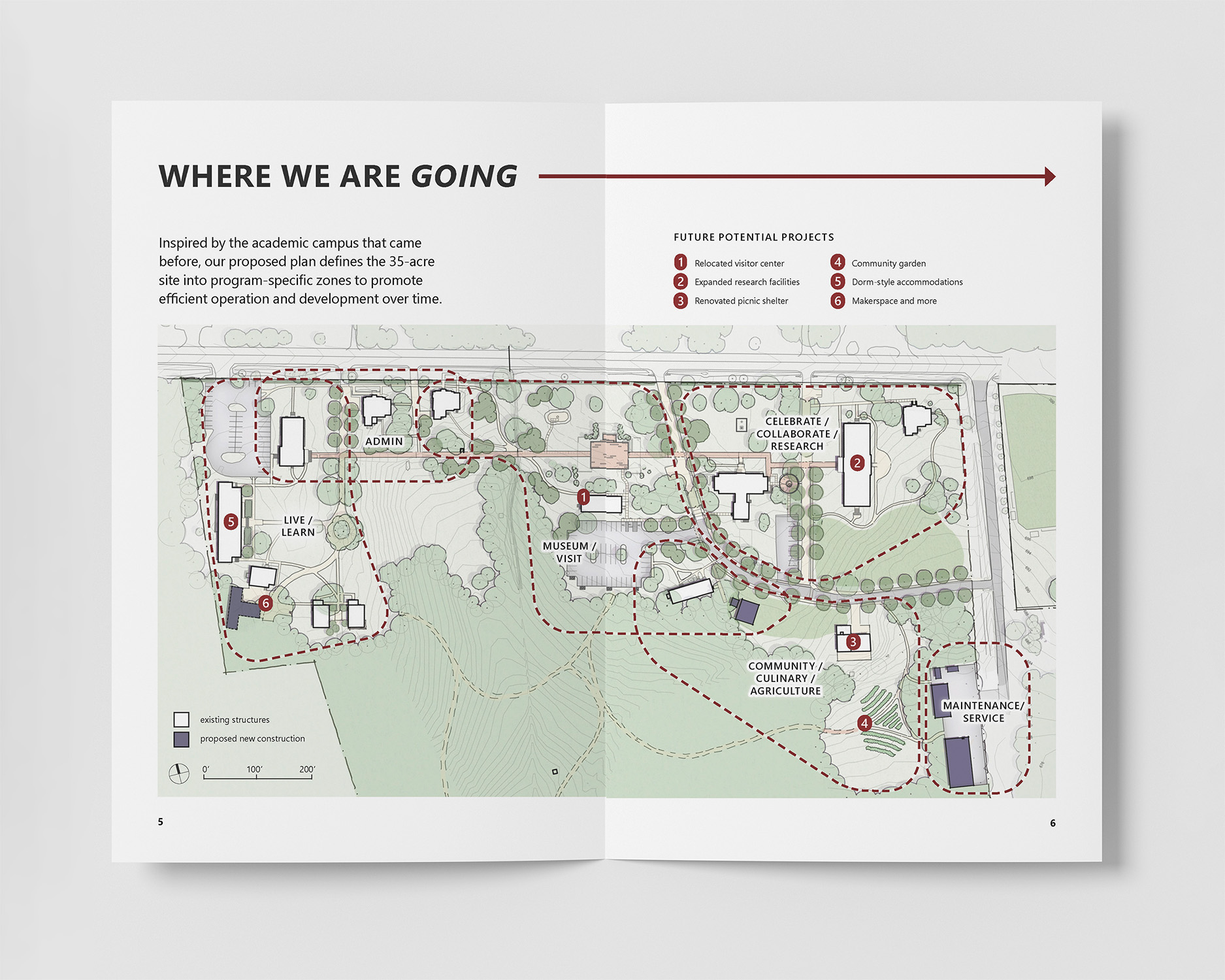
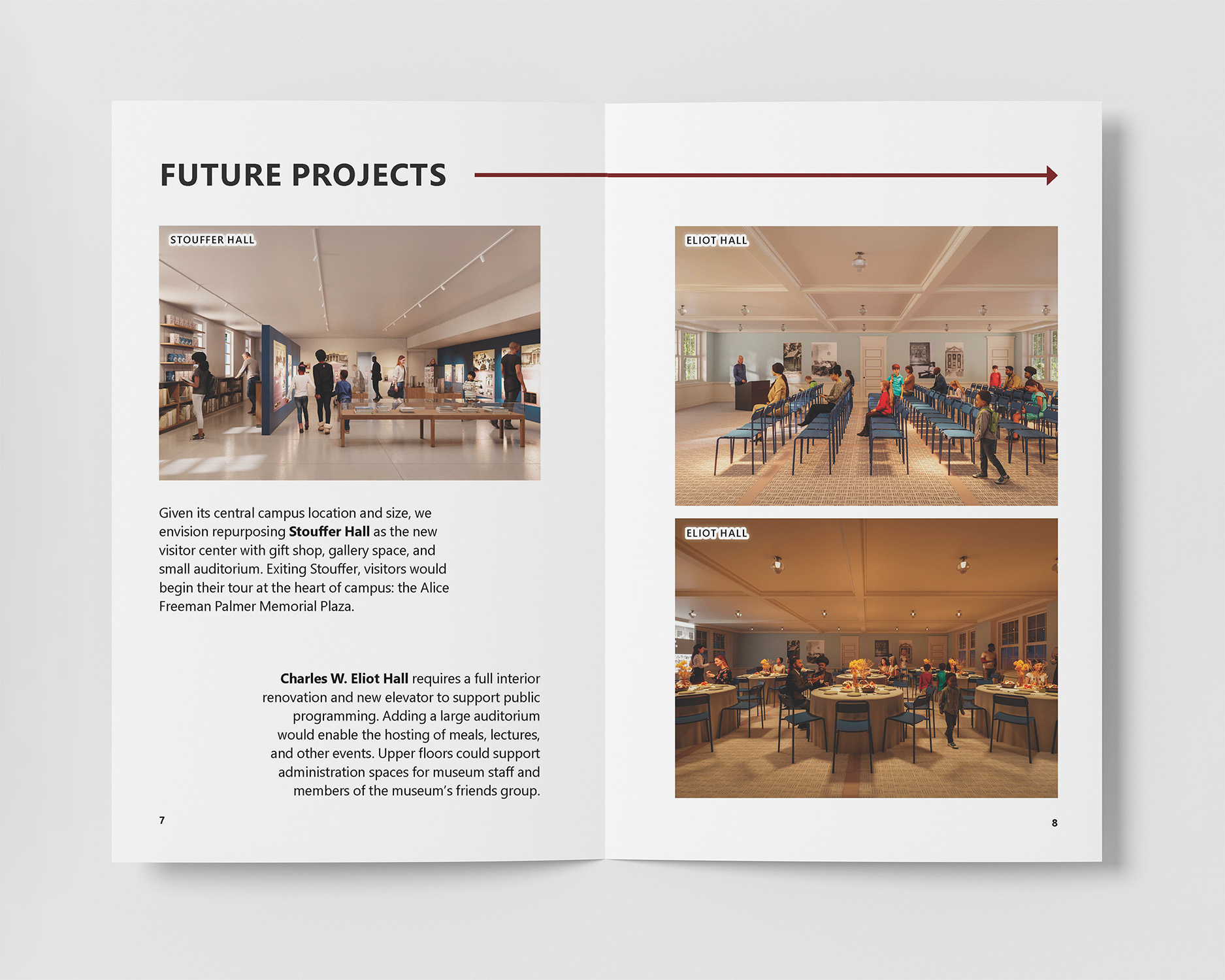
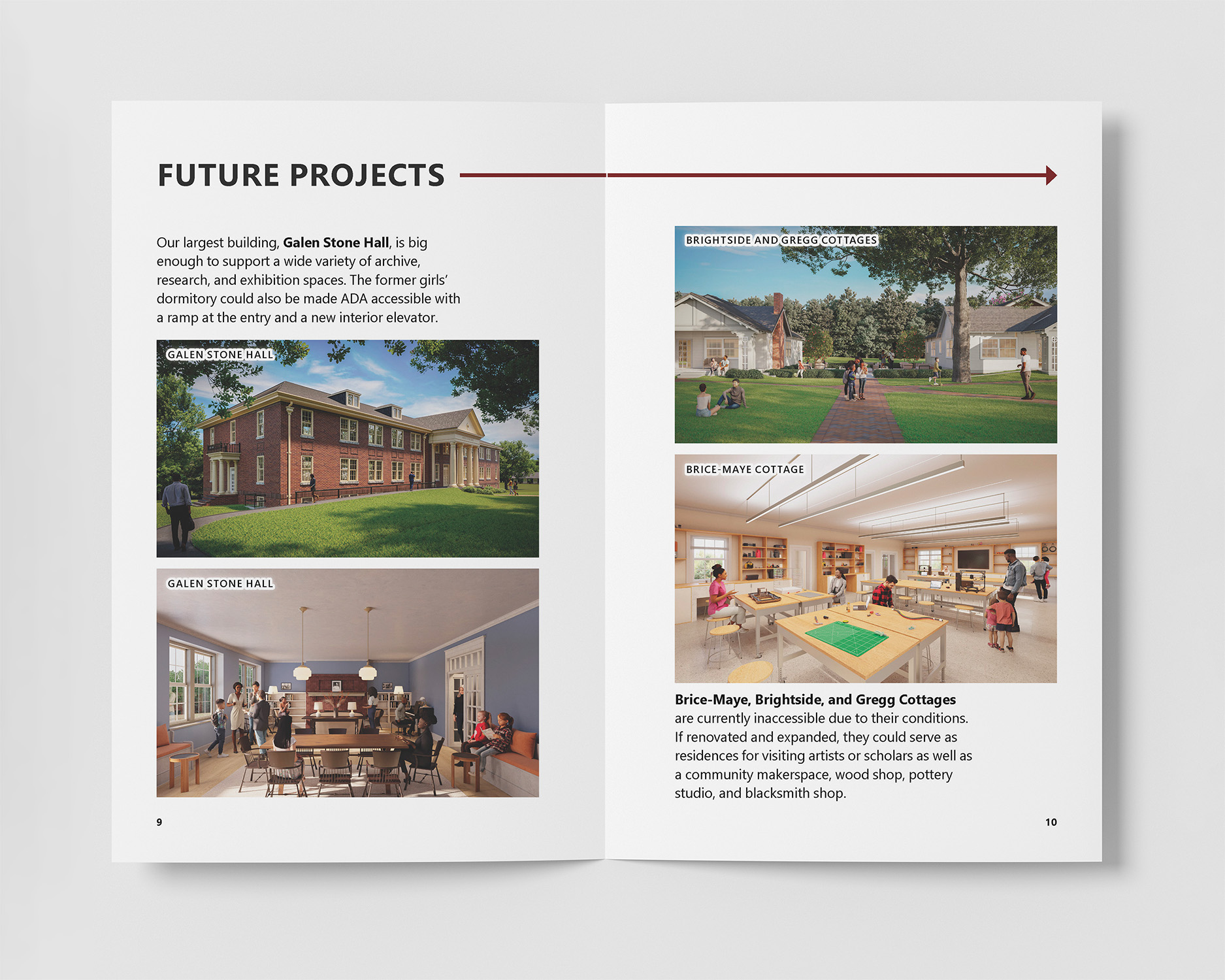
Swipe through! Spreads from a summary booklet distributed to museum visitors about the ongoing revitalization of the campus. Source: RAMSA.
Celebrating the past by planning for the future
RAMSA's design process is deeply rooted in studying the past and threading those lessons into the future. This thinking proved invaluable in our collaboration with the National Trust for Historic Preservation, and specifically these dynamic historic sites preserving women’s history and contributing meaningfully to their communities and disciplines.
While their methodologies differ—one more exploratory, the other more structured—each demonstrates the value of centering local voices, embracing flexibility, and balancing preservation with innovation.
After all, preservation is not about the past, but about the future.
— Robert A.M. Stern, RAMSA's Founding Partner
To learn more about these civic-minded organizations, please visit their respective websites:
National Trust for Historic Preservation
Charlotte Hawkins Brown Museum
Project Team, Stone Quarry Art Park
RAMSA: Melissa DelVecchio, Caitlin Getman, Arianne Kouri, Shannon McGoldrick, Anna Orlando, and Tejal Shrotriya; research and writing assistance provided by Angela Fernandes and Spenser A. Krut
Stone Quarry Art Park: Emily Zaengle
National Trust for Historic Preservation, Where Women Made History: Christina Morris
National Trust for Historic Preservation, Historic Artists’ Homes & Studios: Valerie Balint
Project Team, Charlotte Hawkins Brown Museum
RAMSA: Melissa DelVecchio, Melody Hanna, Spenser A. Krut, Christian Vitulli, and Cheryl Xu
Charlotte Hawkins Brown Museum: Tanesha Anthony and Kelly Scott
North Carolina Department of Natural and Cultural Resources: Jennifer Farley and Mark Graves
National Trust for Historic Preservation, Where Women Made History: Christina Morris

