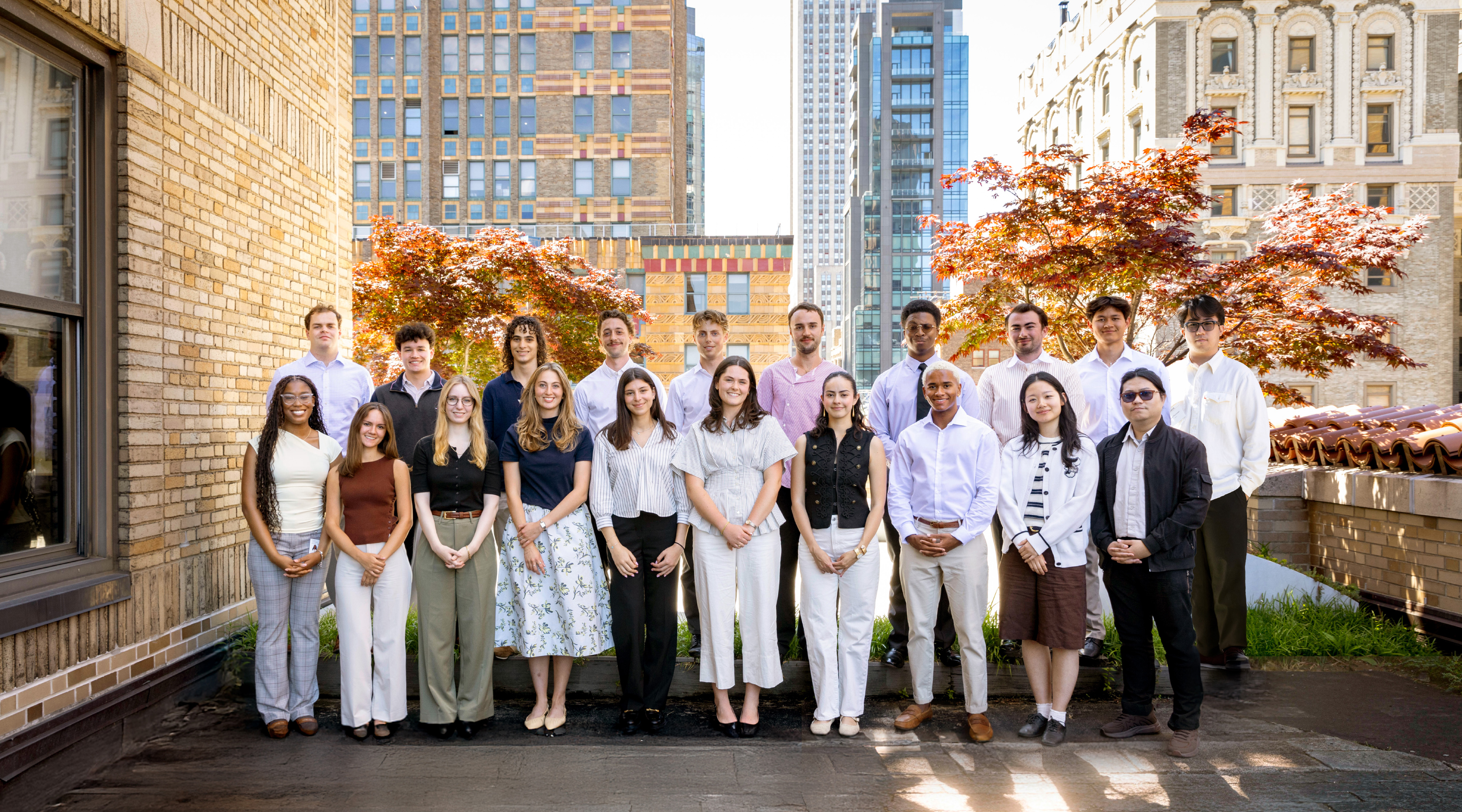
The 2026 Summer Interns: (top left-bottom right) Matthew Hornick, Chad Jacobs, Robin Burger, Joseph Donaher, Luke Louchheim, Tyler Alt, Zach Hart, Andrea Grioli, Nolan Waters, Jason Prasetyono, Anaya Britt, Payton Weller, Chrstina Janowicz, Odessa Weir, Galina Khankin, Maeve Chlystek, Marian Almanza, Conrad Ontimara, Rachel Jia, Bert Adipusaka, Eva Crutan (not pictured). Photograph RAMSA, 2026.
Share this story:





Inside a RAMSA Summer Internship
Regardless of their department, the 2026 RAMSA summer interns went on architecture tours, sketched from life, and collaborated on a capstone design day, learning both theory and how to practice.
Payton Weller
Twenty-one interns joined RAMSA this summer, spread across architecture, interior design, and marketing. I spent ten weeks as the firm's marketing intern. I didn’t come in with the formal architecture training most of my fellow interns had, but I did come in with a real interest in the field, which is a lot of what drew me to the role in the first place. Our day-to-day work looked different depending on which studio or department we took part in, but the program itself remained similar between disciplines. Tours, lectures, studio presentations, and firm events ran through the summer regardless of track and consequently felt less like an internship and more like a semester, one where the real curriculum was everything happening around your actual assignments. By August, I'd come to think of the office as something closer to both a practice and an academy at once.
An Office That Teaches by Example
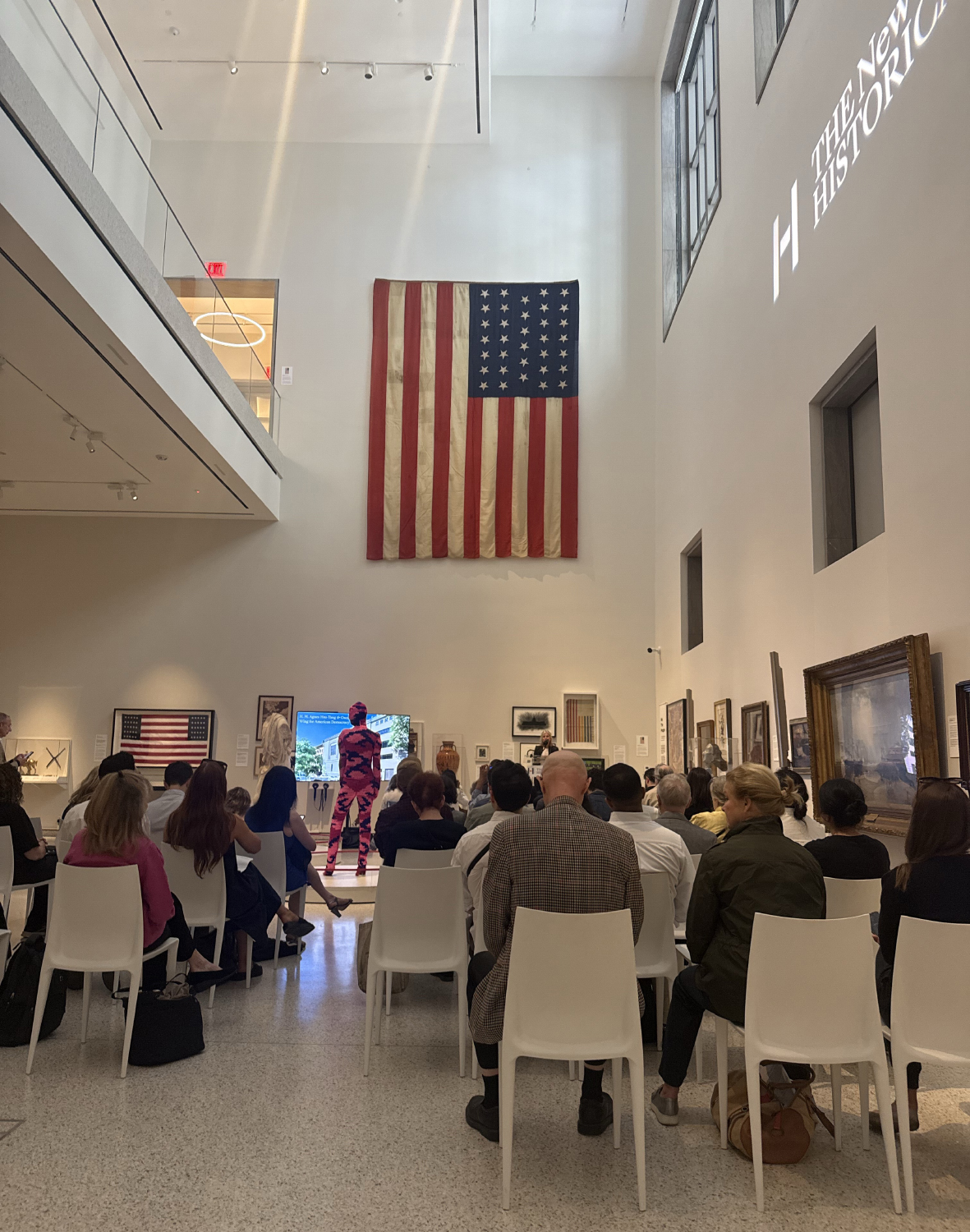
This summer, I attended a press event at the newly finished New York Historical, where I watched a completed RAMSA project begin doing its job in real time: shaping how an institution presents itself, how visitors move through it, and how a building starts working the moment people arrive. It was a good introduction to the months ahead and an early reminder that for a marketing intern, a project’s story doesn't end once the doors open.
My first real look at the office itself came a little before that, on a tour through the space where I took in the beauty of it while looking forward to starting my journey at RAMSA. That impression held up all summer. The office runs on visibility: open floor plans that put studios within earshot of one another and project rooms where work in progress stays pinned up instead of tucked away.
What stayed with me most, though, was how kind and welcoming everyone was from the start. No matter where I was in the office or what I was working on, people made me feel included, supported, and comfortable asking questions. That generosity shaped the whole summer, and is what made my time at RAMSA so memorable.
Beyond the Desk
The formal programming reinforced what the office was already teaching informally. A day spent at the Institute of Classical Architecture & Art’s Cast Hall had interns sketching from observation rather than from a screen, drawing plaster casts that preserved beautiful replicas of sculpture from antiquity to twenty-first-century architecture. Firmwide sessions on classical architecture, architectural history, graphic presentation, and interiors pulled every intern, regardless of studio, into areas of study outside their own discipline.
A visit to Claremont Hall in Morningside Heights turned a project I had only seen in photos, videos, and floor plans into a place I could actually stand inside. And a series of programs reflecting on the life and legacy of Robert A.M. Stern gave newer members of the office, interns very much included, a sense of the intellectual ground the firm was founded and still stands on.
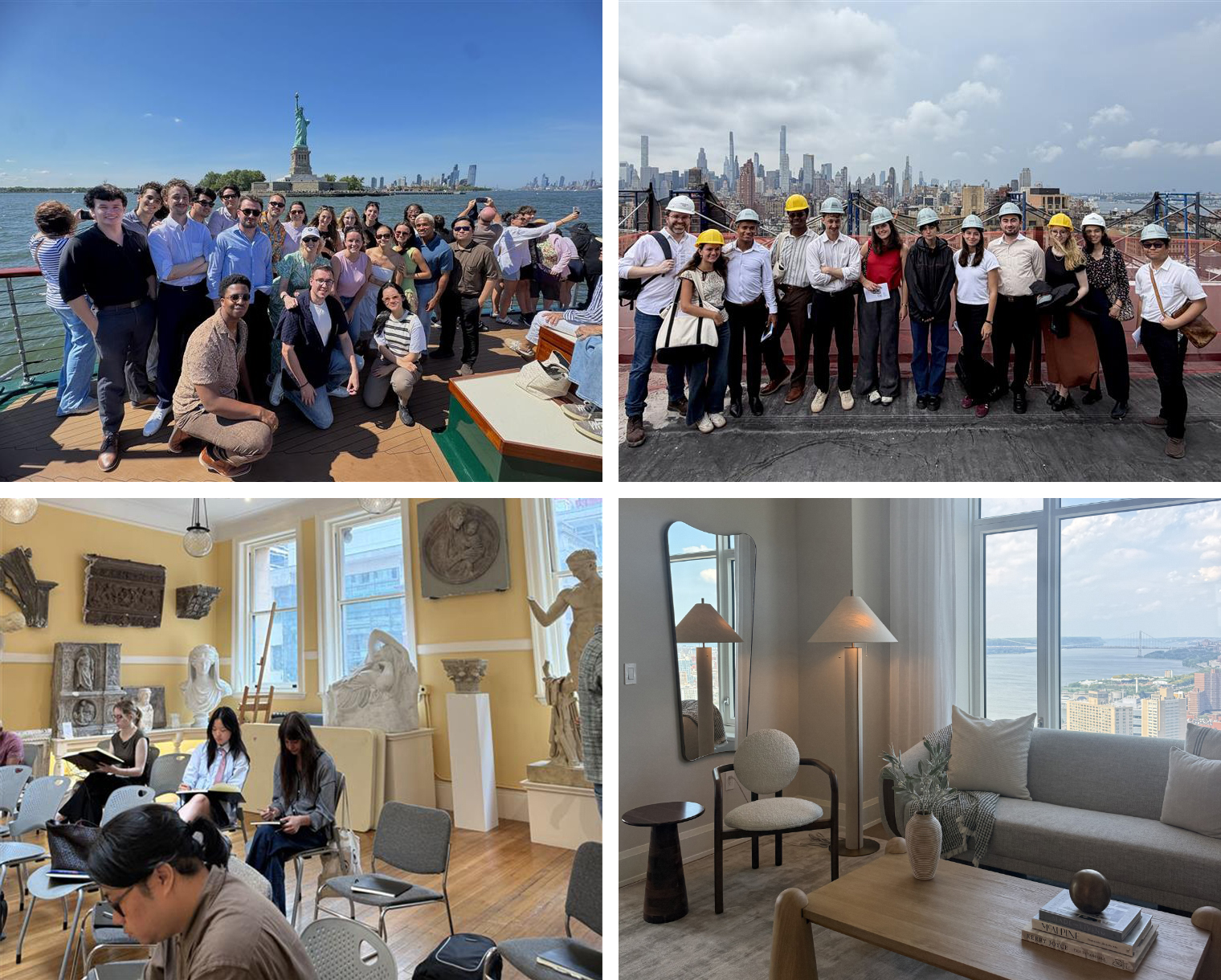
Clockwise: Interns attending an architecture boat tour around Manhattan, a site visit to 200 West 88th Street on the Upper West Side, a day at the ICAA's Cast Hall sketching, and a visit to Claremont Hall in Morningside Heights. Photos: RAMSA
A City Rewritten
Somewhere around midsummer, I noticed the city had started to look different to me—buildings I had only known through project files and research decks began surfacing in real life.
This new way of thinking followed me home. Back in Chicago for a weekend, I made time to visit One Bennett Park, a building I'd spent weeks researching, writing about, and seeing in photographs. After seeing it so often on a screen, it felt different to finally stand in front of the real thing.
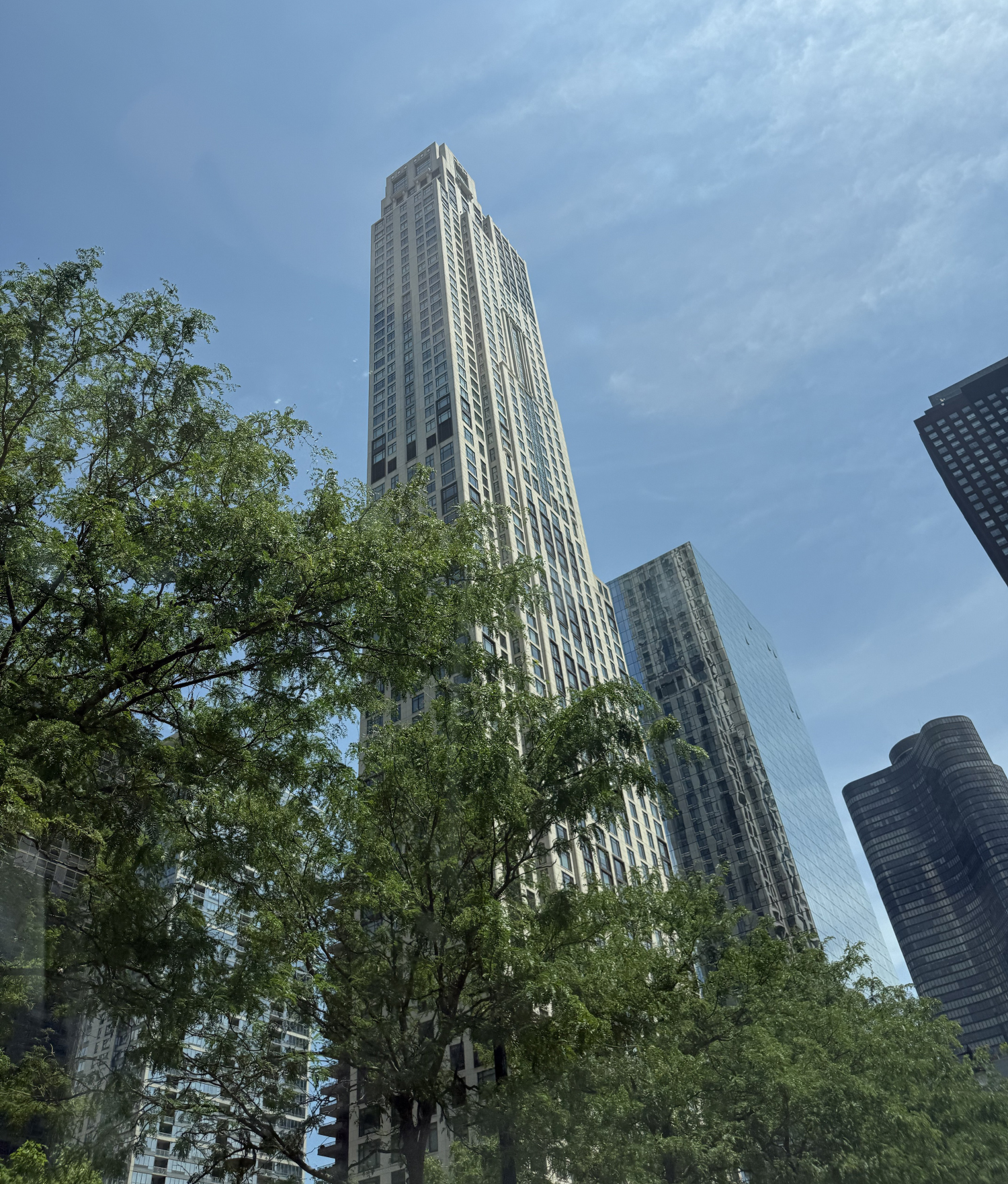
A visit to One Bennett Park in Chicago's Streeterville neighborhood. Photo: Payton Weller
The same thing happened, albeit more concentrated, on the interns' boat tour around Manhattan hosted by the AIA. Circling the island, we kept picking RAMSA buildings out of the skyline, not because someone pointed them out, but because we'd spent the summer learning to recognize their distinct shapes and facades. Projects that had lived for us mostly through photos, videos, drawings, and research suddenly had weather, neighbors, and shadows that moved.
Intern Design Day
On Intern Design Day, every architecture and interior design intern was handed the same prompt: design a new athletic club for a site in NoHo that was responsive to the neighborhood around it, with each team receiving a different sport to focus on for their scheme. They had until four that afternoon to turn it into something worth presenting to the rest of the studio.
I spent the day on the other side, documenting the process for RAMSA’s social media alongside the marketing team. That meant watching, table by table, as a prompt turned into sketches, then floor plans, and then a model, clay and paper piling up next to laptops and half-eaten lunches. I hadn’t expected to find it as compelling as I did, watching an idea gain volume in real time, hour by hour. By four, the same interns who had been sketching loose lines that morning were standing in front of the partners with a finished scheme.
It was one of my favorite days of the internship program. Not because I built anything myself, but because I got to see, up close, exactly how a project starts.
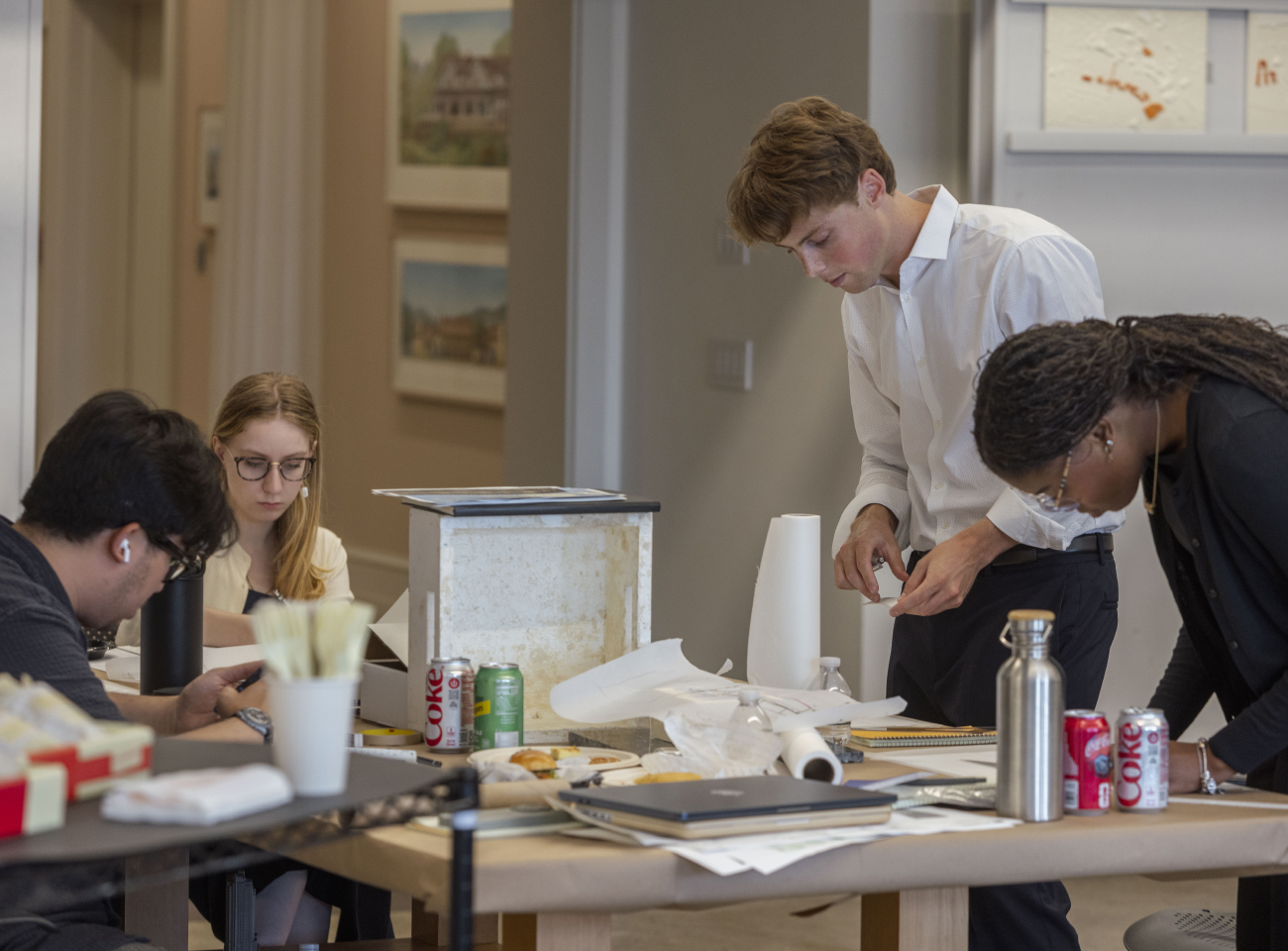
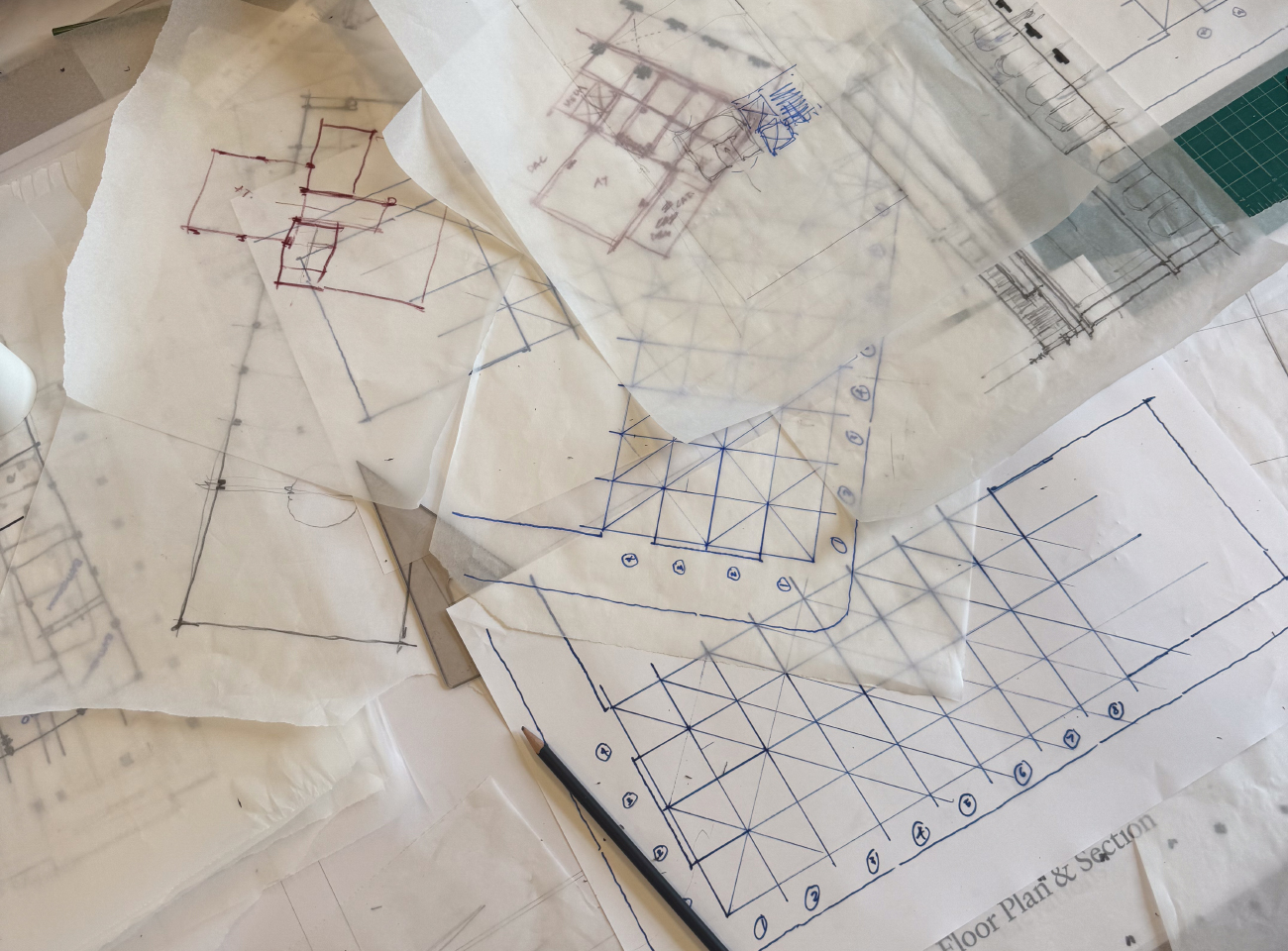
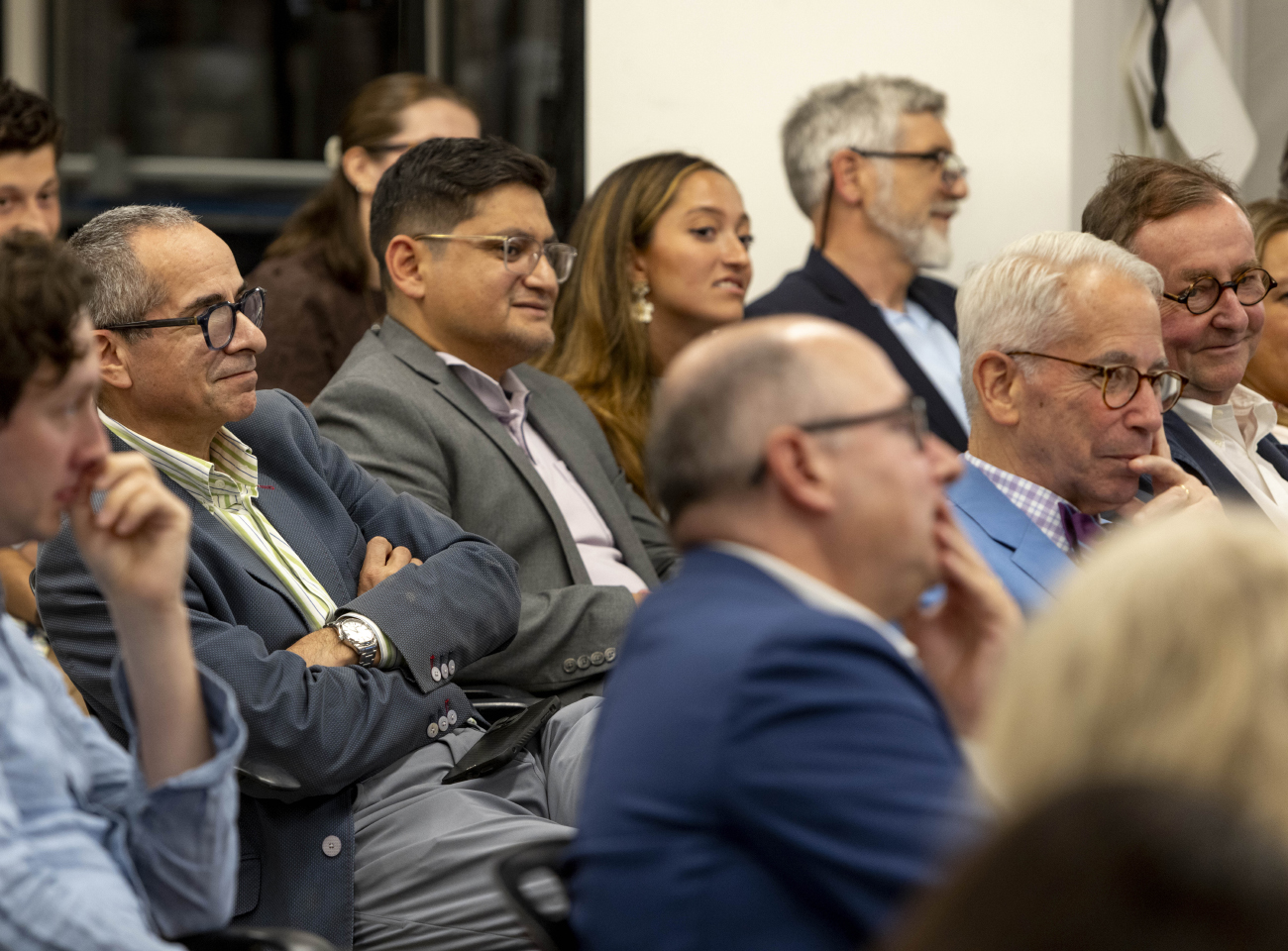
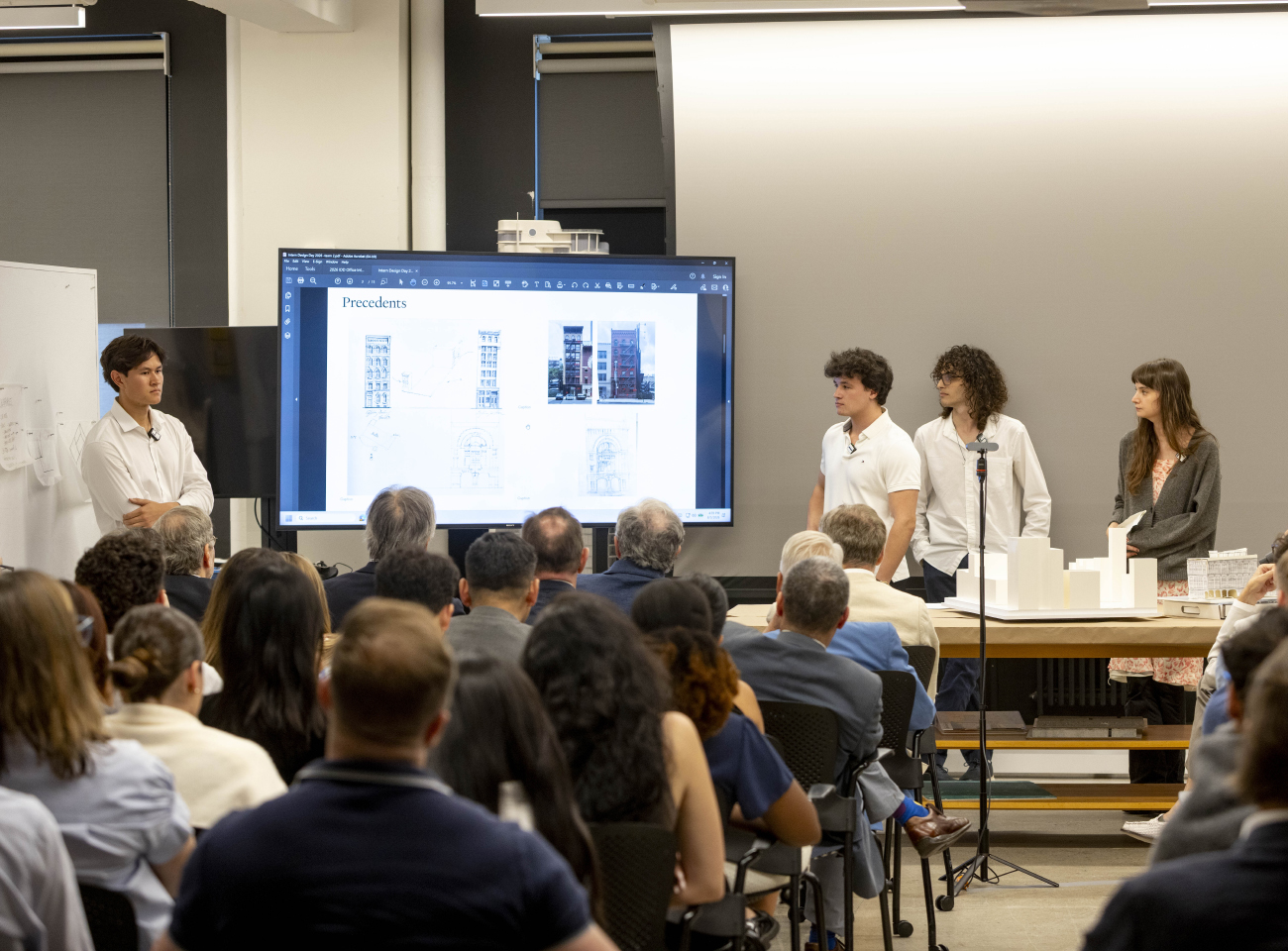
Swipe through: Interns collaborated, bounced ideas off of each other, and strengthened their presentations during Intern Design Day, all working to design a new athletic club in NoHo. Each team presented and received live feedback from partners in a professional setting. Photos: RAMSA
Looking Ahead
I kept coming back to that idea from the beginning of the summer, that RAMSA operates as a design practice and an academy at once. Design Day made the case better than anything else could have: nineteen interns spending a full day testing what they had absorbed over the summer, not for a grade, but for something much more meaningful—the chance to present their ideas to RAMSA’s partners and hear their feedback firsthand.
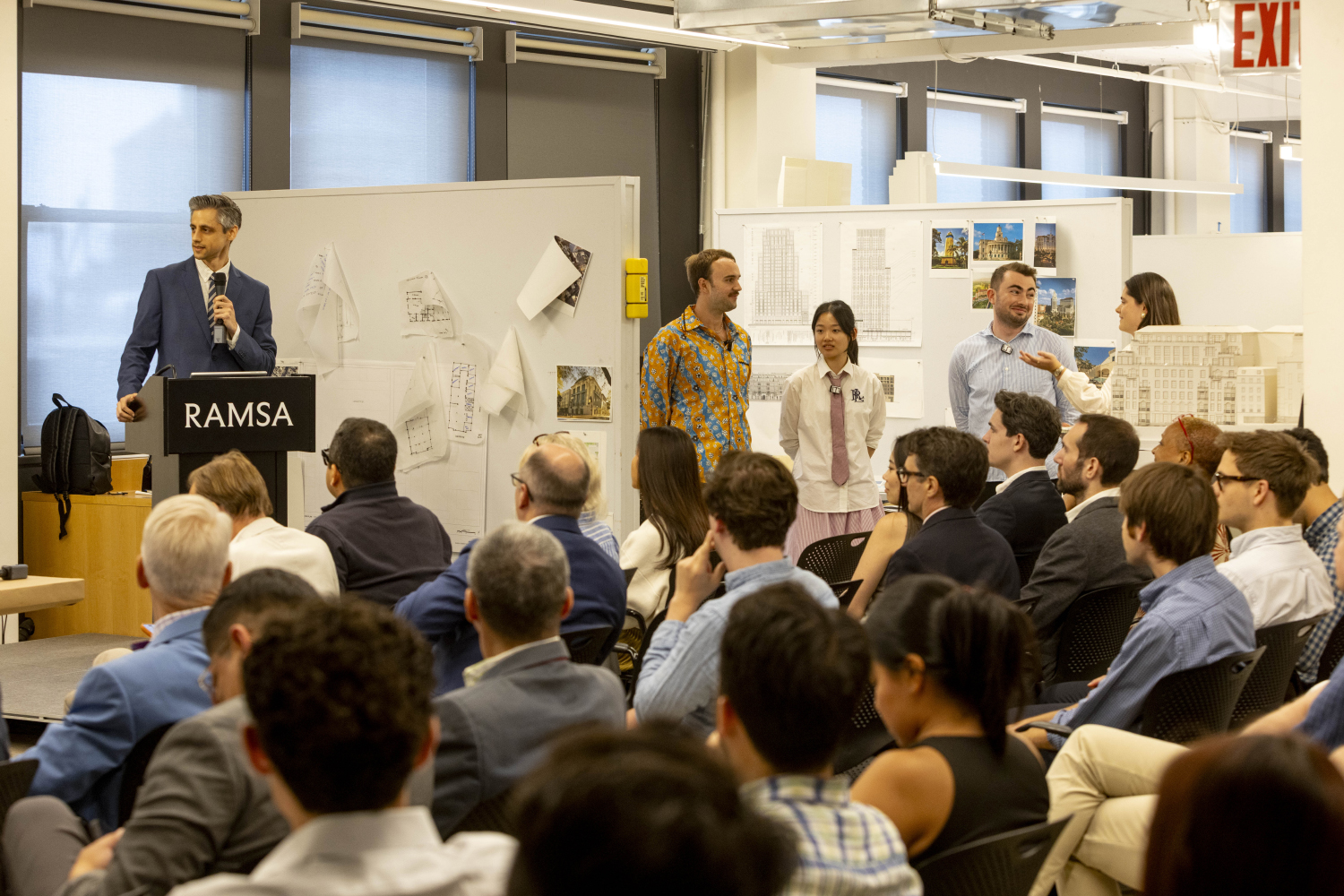
Tyler Alt reflects, “After some introspection I realized that in addition to all the technical skills, public speaking, and of course architectural design experience, RAMSA has left me with a newfound level of confidence in myself and my design practice. I feel better able to communicate my design intentions, stand behind decisions, and feel proud of the work I am producing and for that I will forever be grateful. Intern design day was the perfect capstone for my internship experience, testing my newfound confidence. It allowed me to present to the partners and the firm alongside team members from our cohort, who I am so grateful to have met and am excited to stay connected to throughout my architecture journey.” Photo: RAMSA
I came into this internship already knowing how to write, how to shape a story, and how to make something worth reading. What I didn’t know was how to do any of that for architecture. I’m leaving with a much better sense of what that writing should actually be built on: recognizing a building on a skyline instead of just a project page, understanding why a plan gets drawn one way and not another, and having watched a handful of sketches turn into a pitch worth presenting to the partners. Ten weeks in, RAMSA isn’t just a place I worked; I think of it as a place I studied.
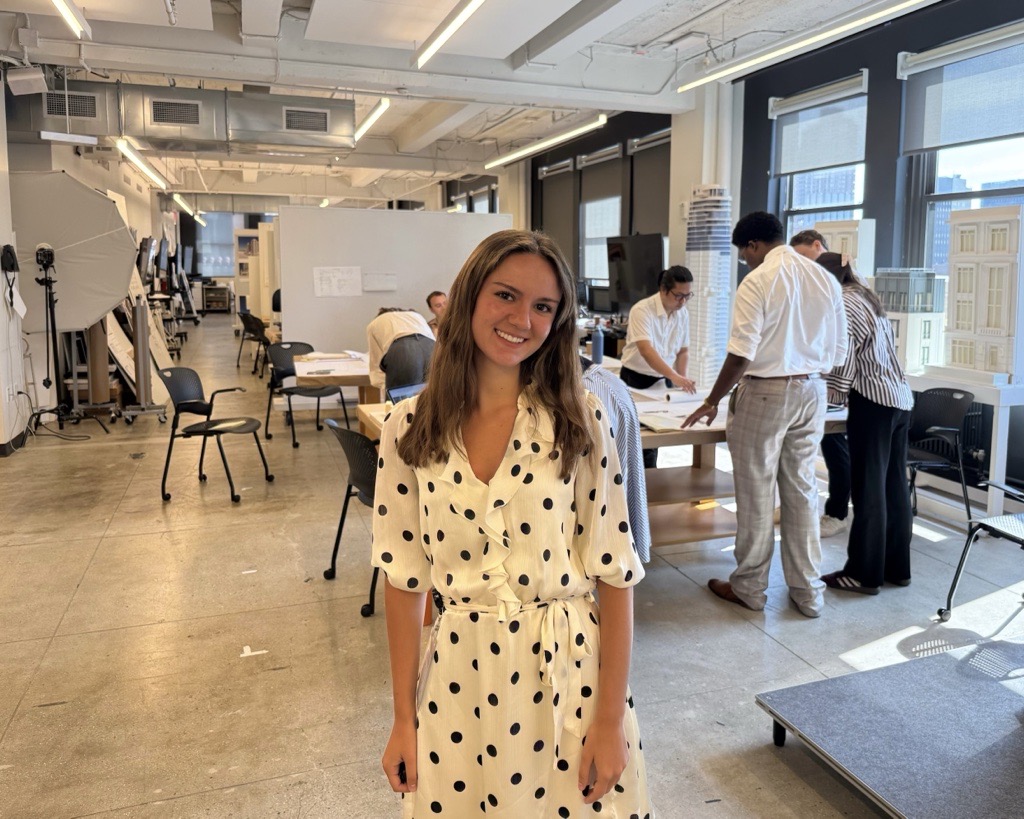
Payton at Intern Design Day. Photo: RAMSA

