One Bennett Park
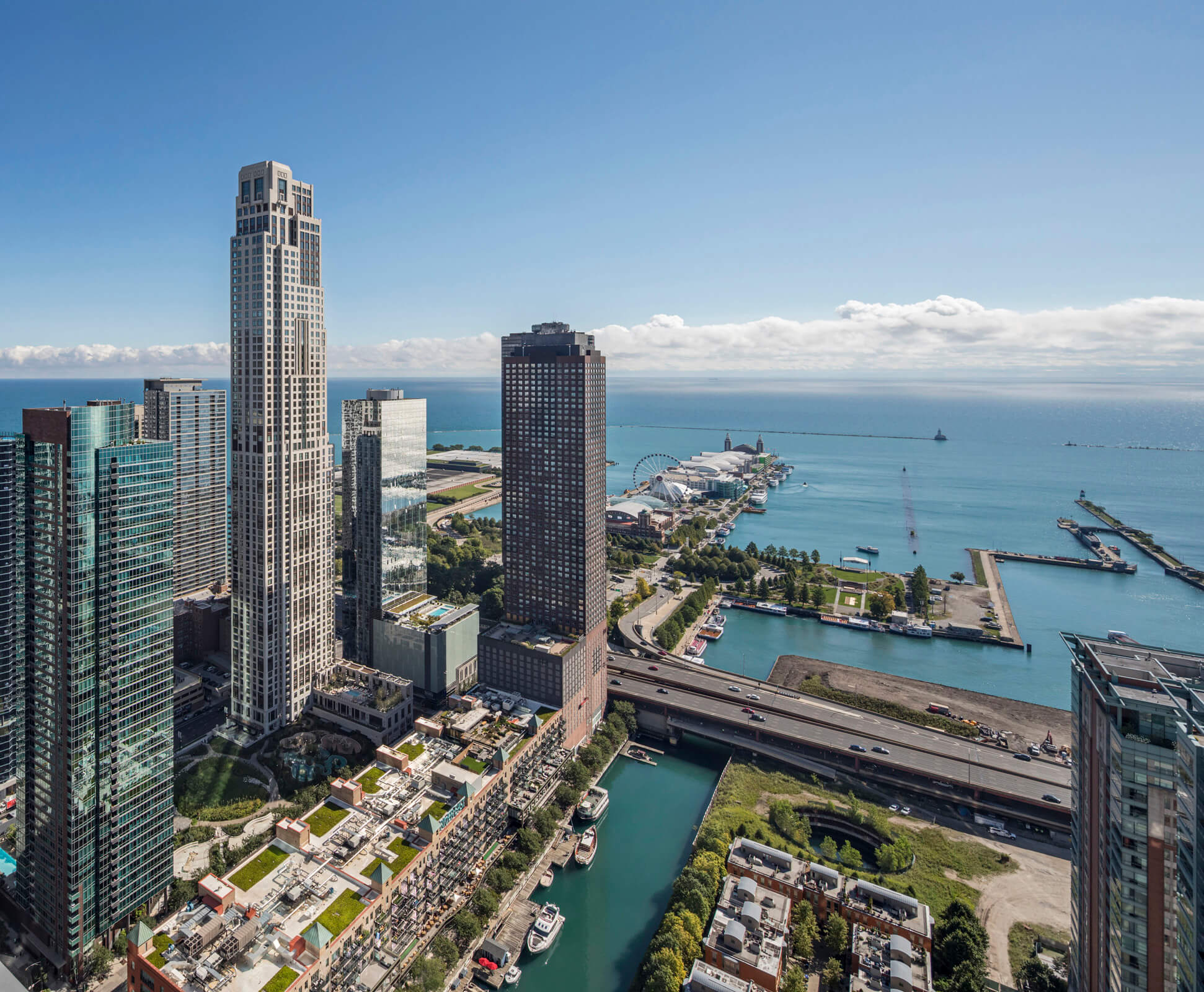
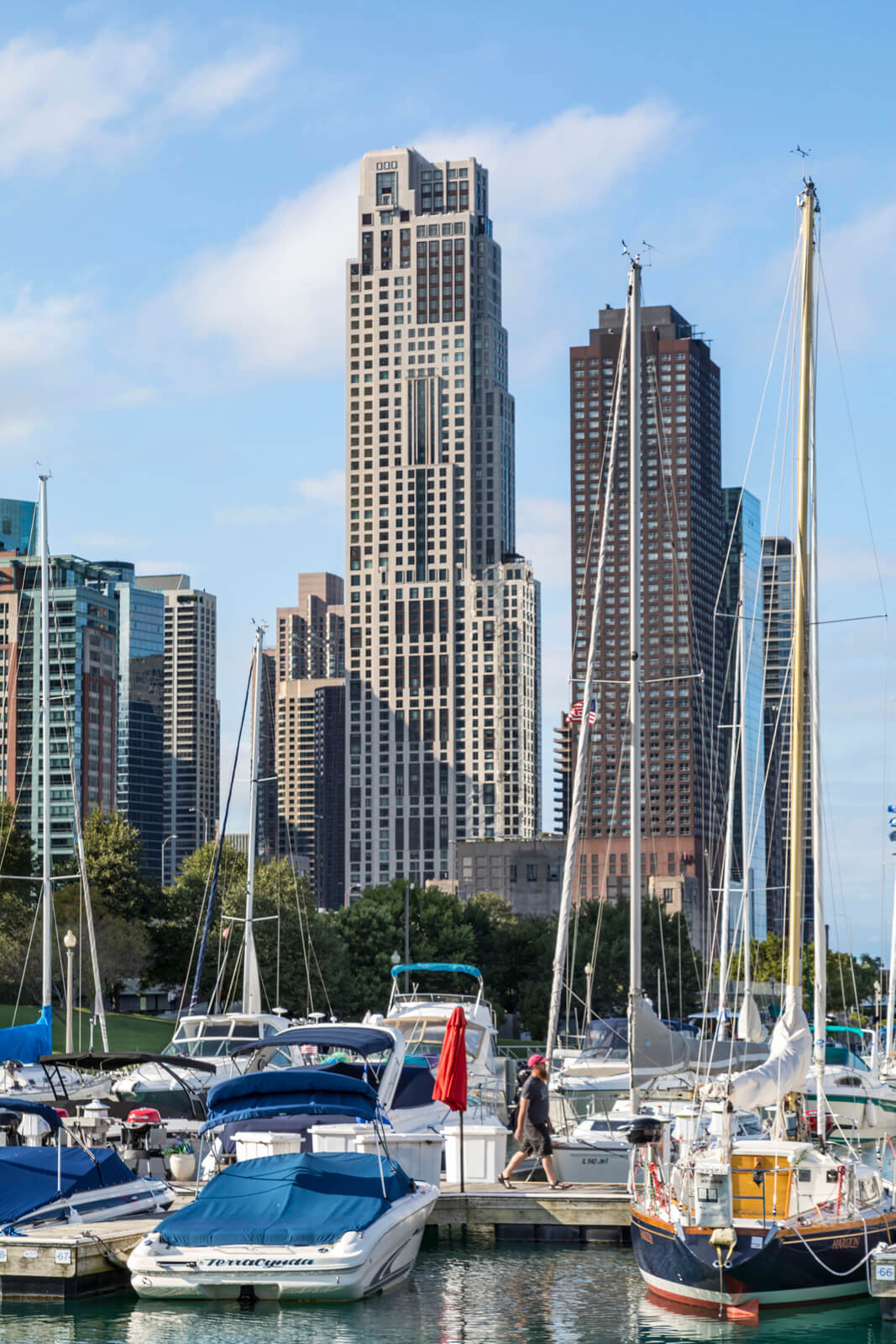
One Bennett Park is a new residential landmark in Chicago's Streeterville neighborhood between Lake Michigan and the Magnificent Mile. The slender limestone-clad tower is a contemporary interpretation of the great apartment houses of 1920s and 1930s New York that simultaneously draws from the architectural traditions of Chicago precedents such as the Palmolive Building and 333 North Michigan Avenue. Rising as the tallest all-residential building in the city at the time of its completion, the tower established a distinctive presence on the skyline while helping to connect Streeterville more fully to the surrounding city.
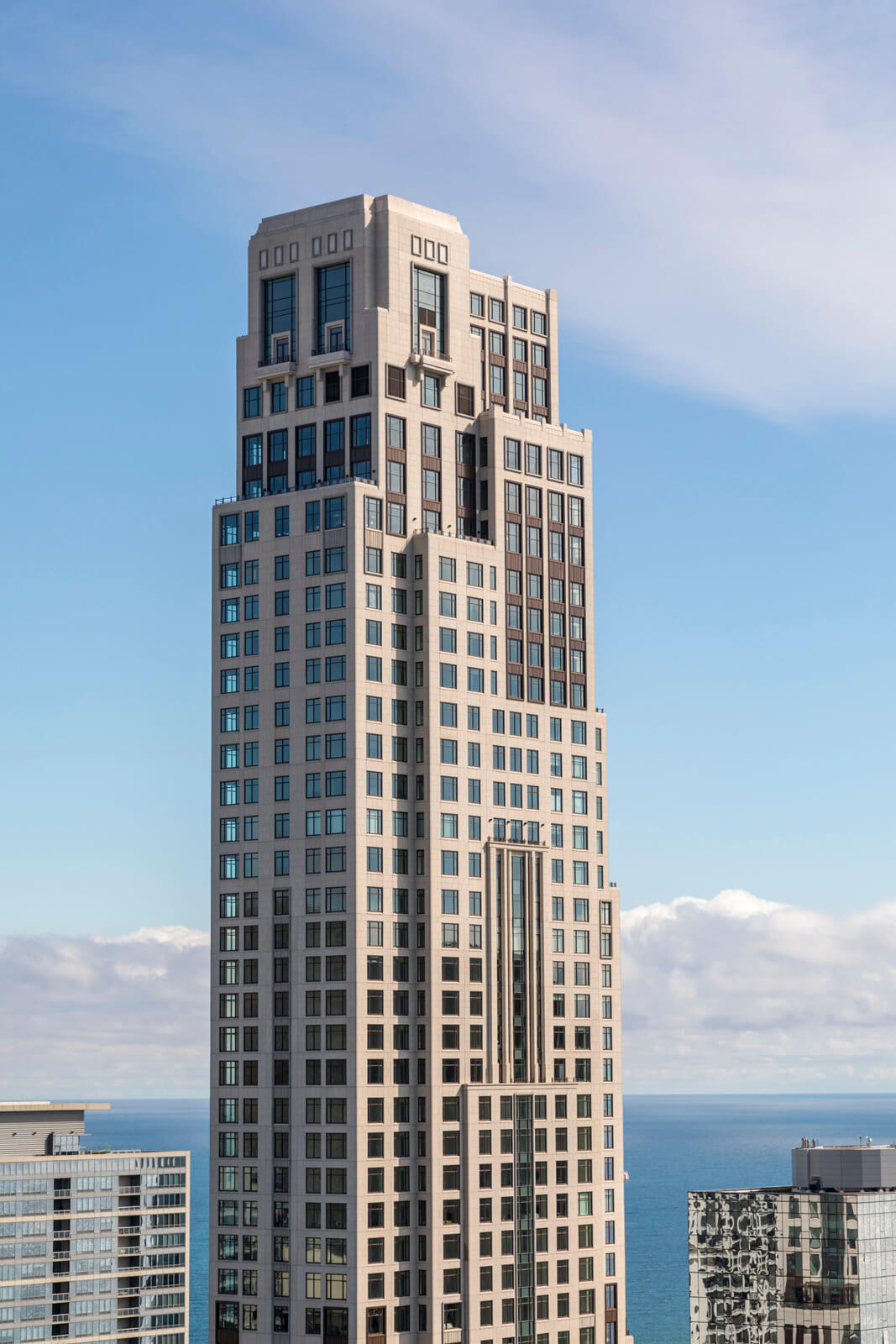
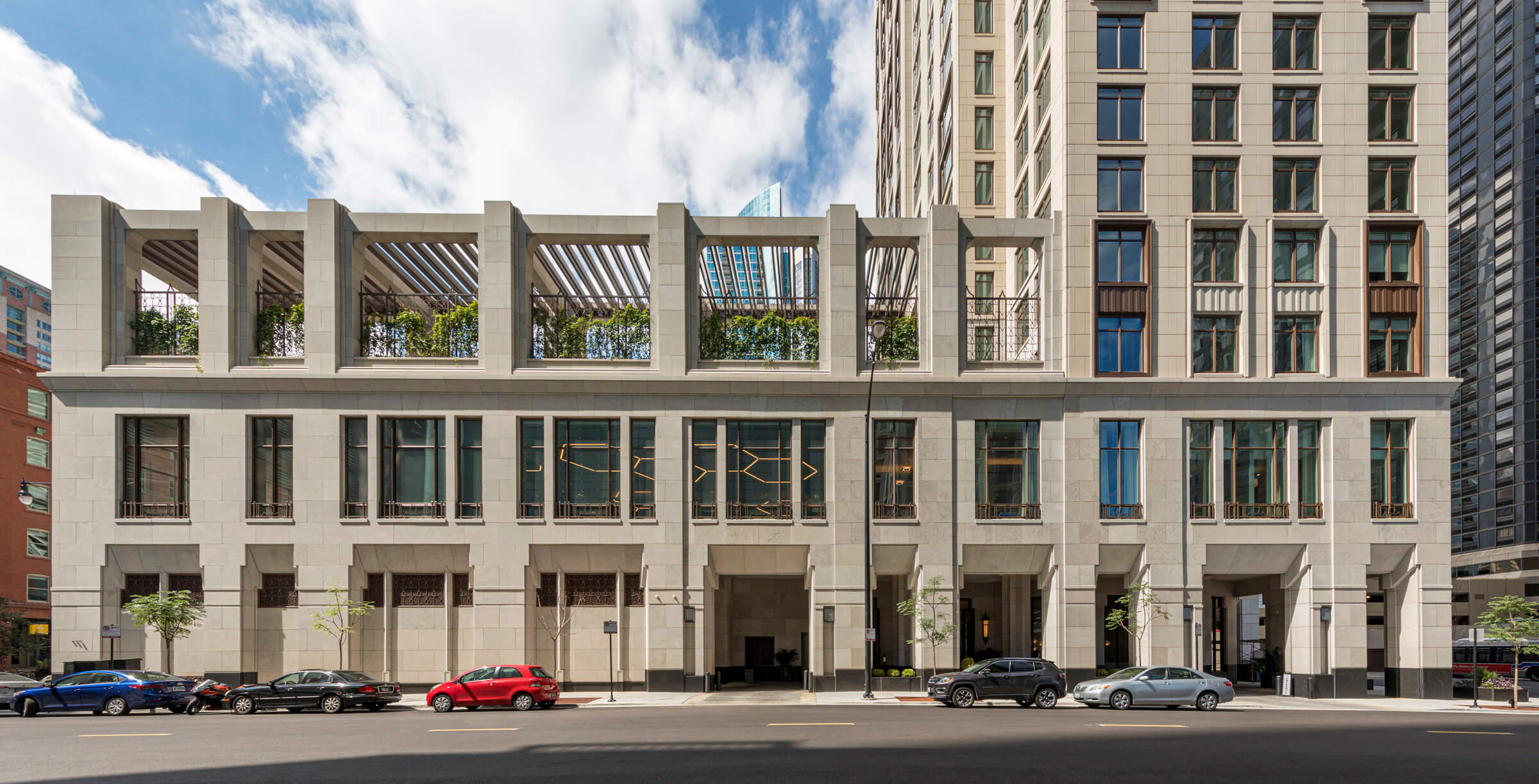
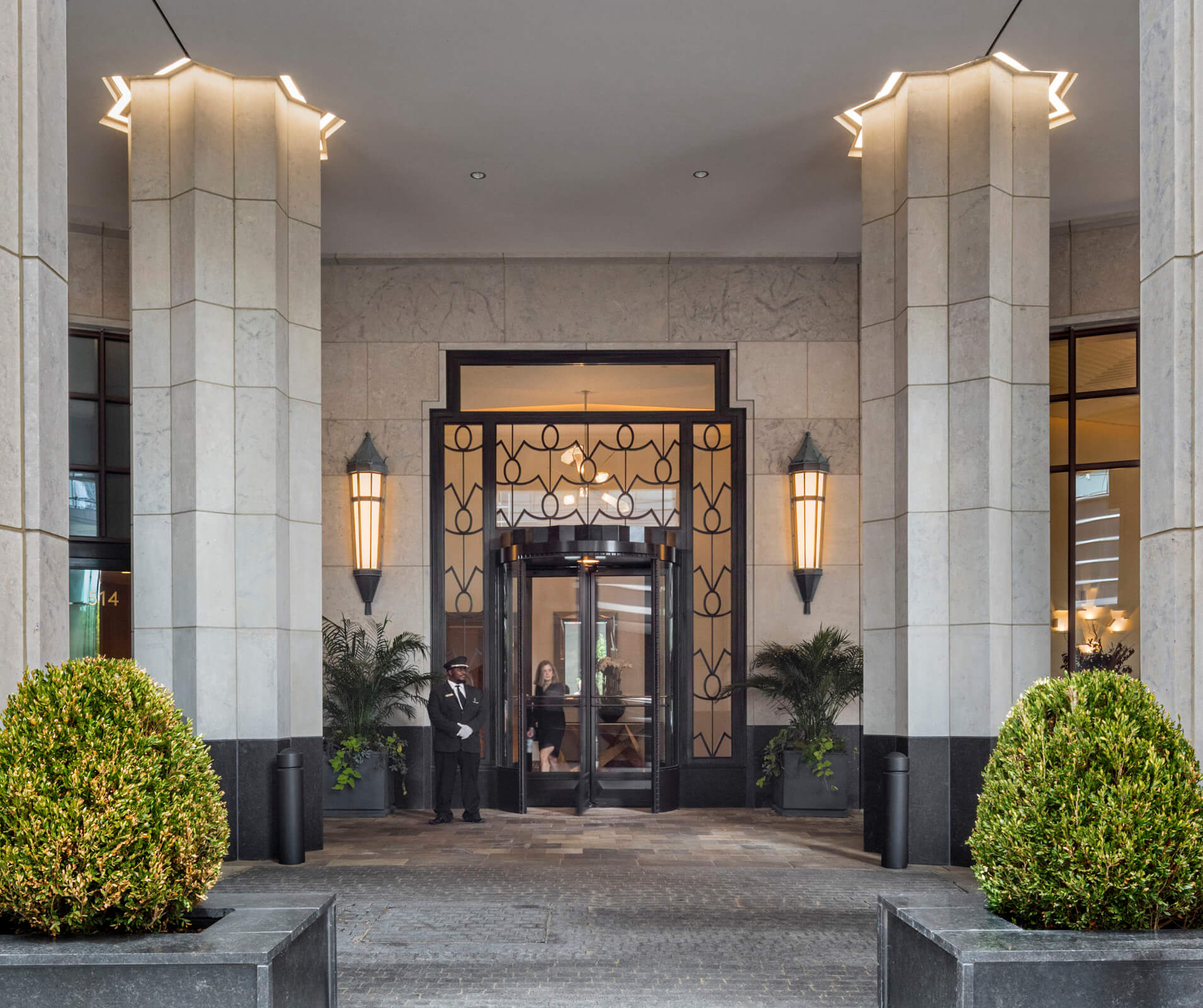
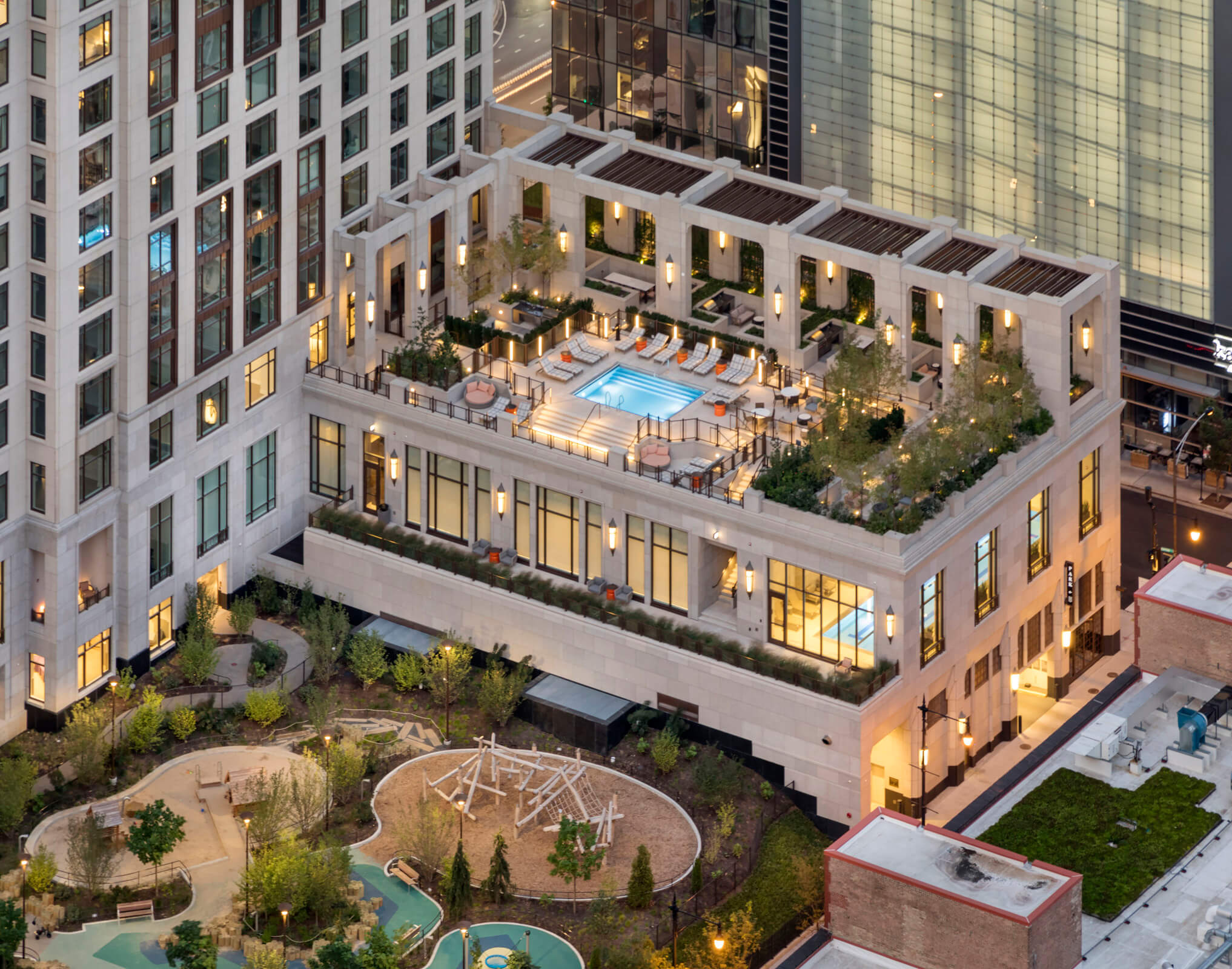
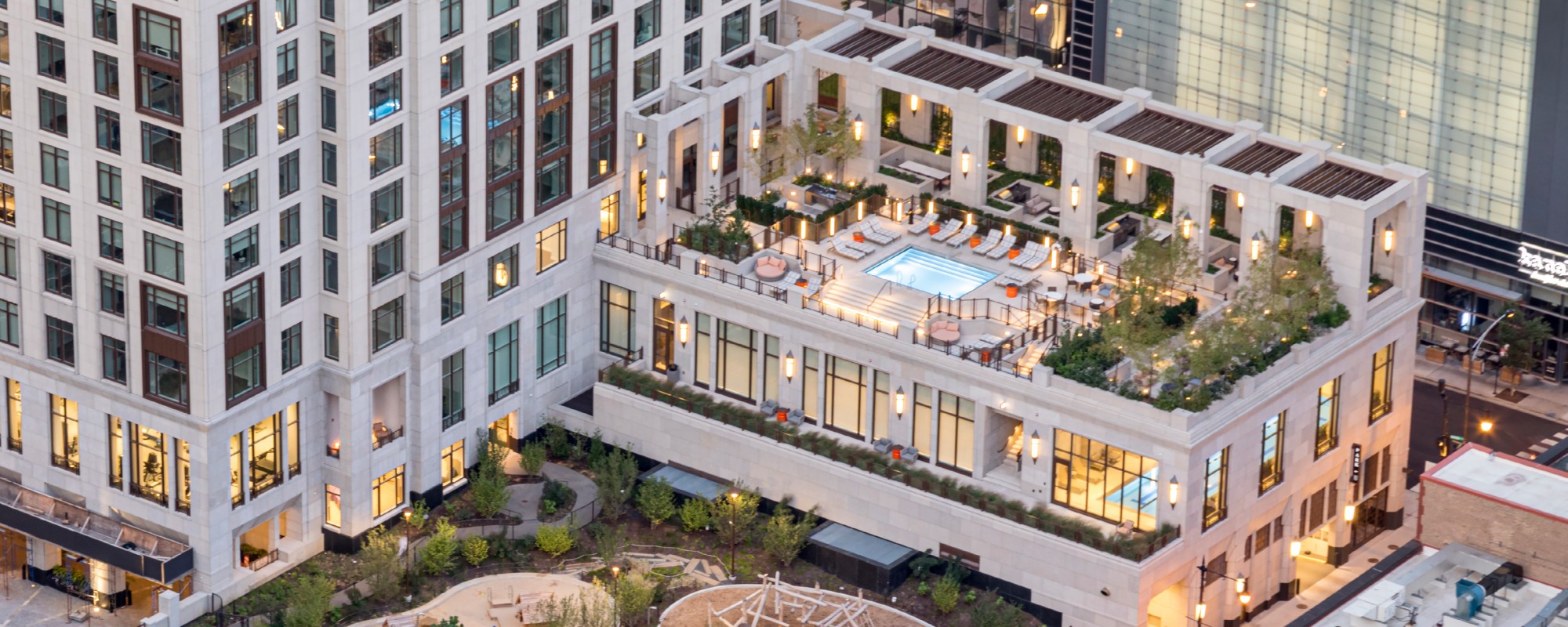
The building's asymmetrical crown steps down toward the city while centering views of Lake Michigan. The composition is enlivened by metal detailing, punched windows, glassy stacked bays, and vertical setbacks that reinforced the tower's slender proportions. A crowning lantern which houses mechanical equipment creates a memorable silhouette on the skyline. At street level, a limestone base enriched with ornamental metalwork, bronze detailing, and separate entrances provides distinct arrivals for the building's 280 rental apartments and 70 condominium residences.
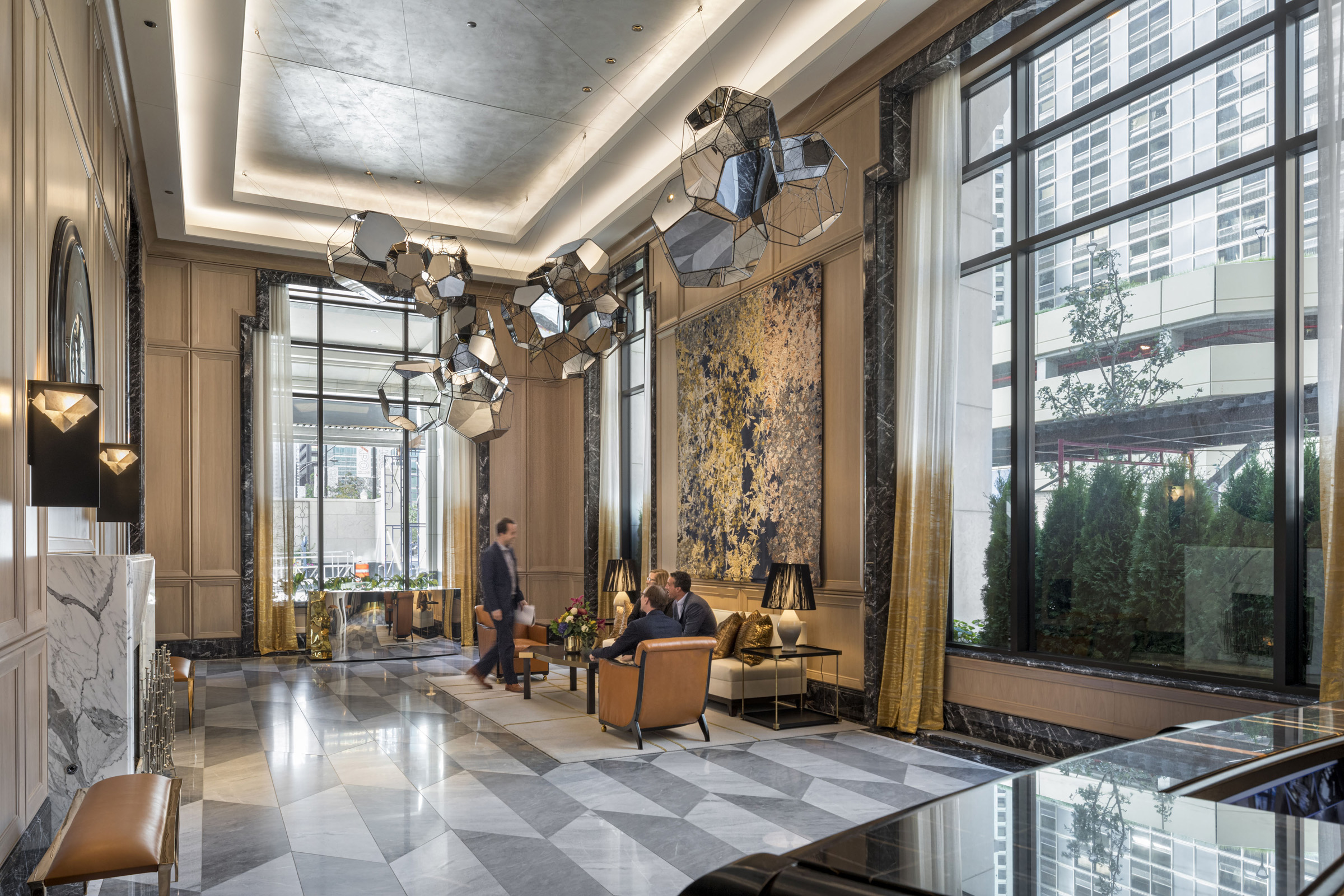
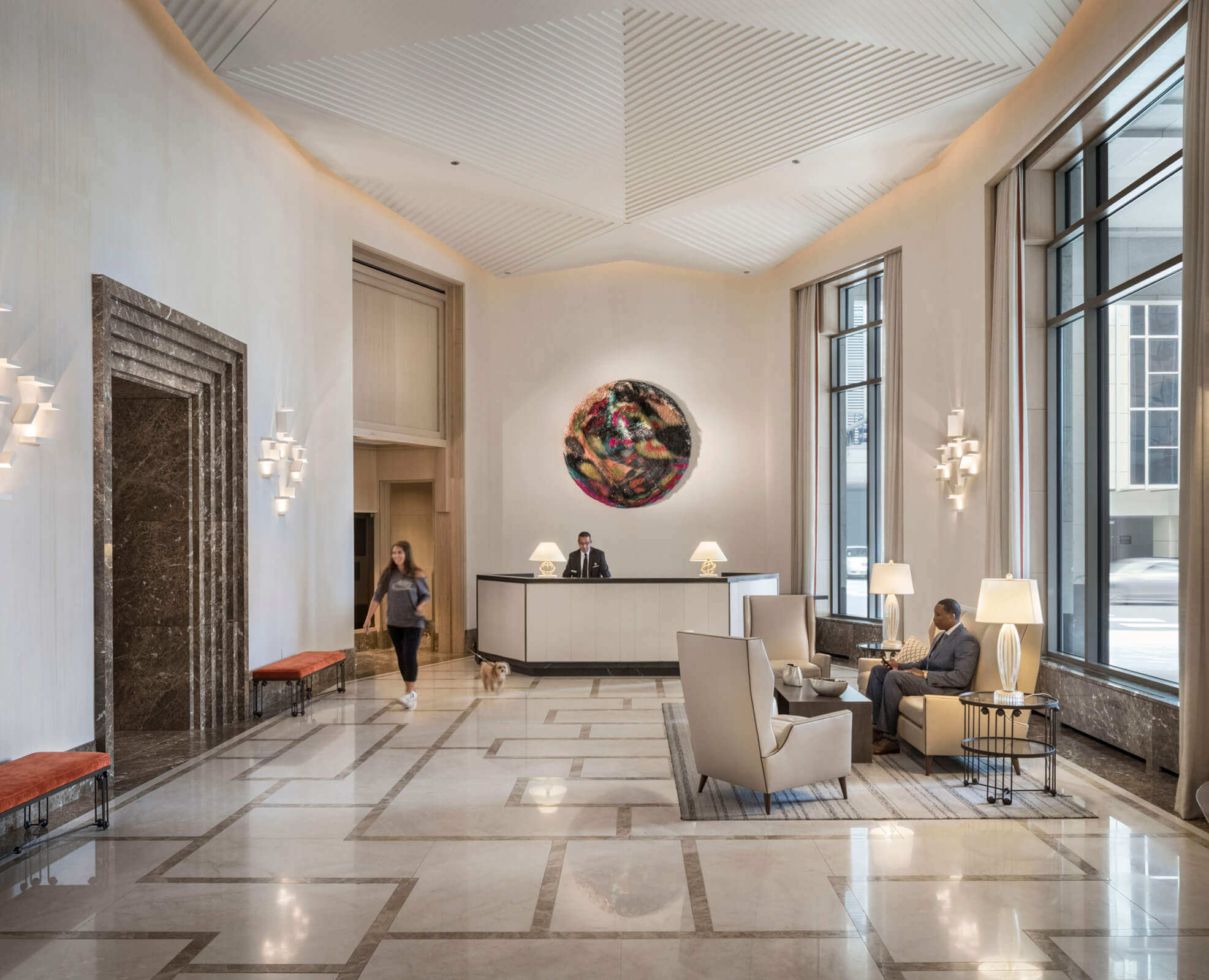
Designed from the inside out, the tower expresses its residential character through its fenestration and detailing. Apartment layouts are legible across the facade, with living rooms and primary bedrooms marked by larger windows and secondary spaces expressed through smaller openings. Bay windows, picture windows, and grouped windows reinforce the individuality of the residences as they contribute to the richness and variety of the exterior composition. Inside hospitality-quality finishes, custom furnishings, bespoke hardware, and detailed millwork reflect a high level of craftsmanship.
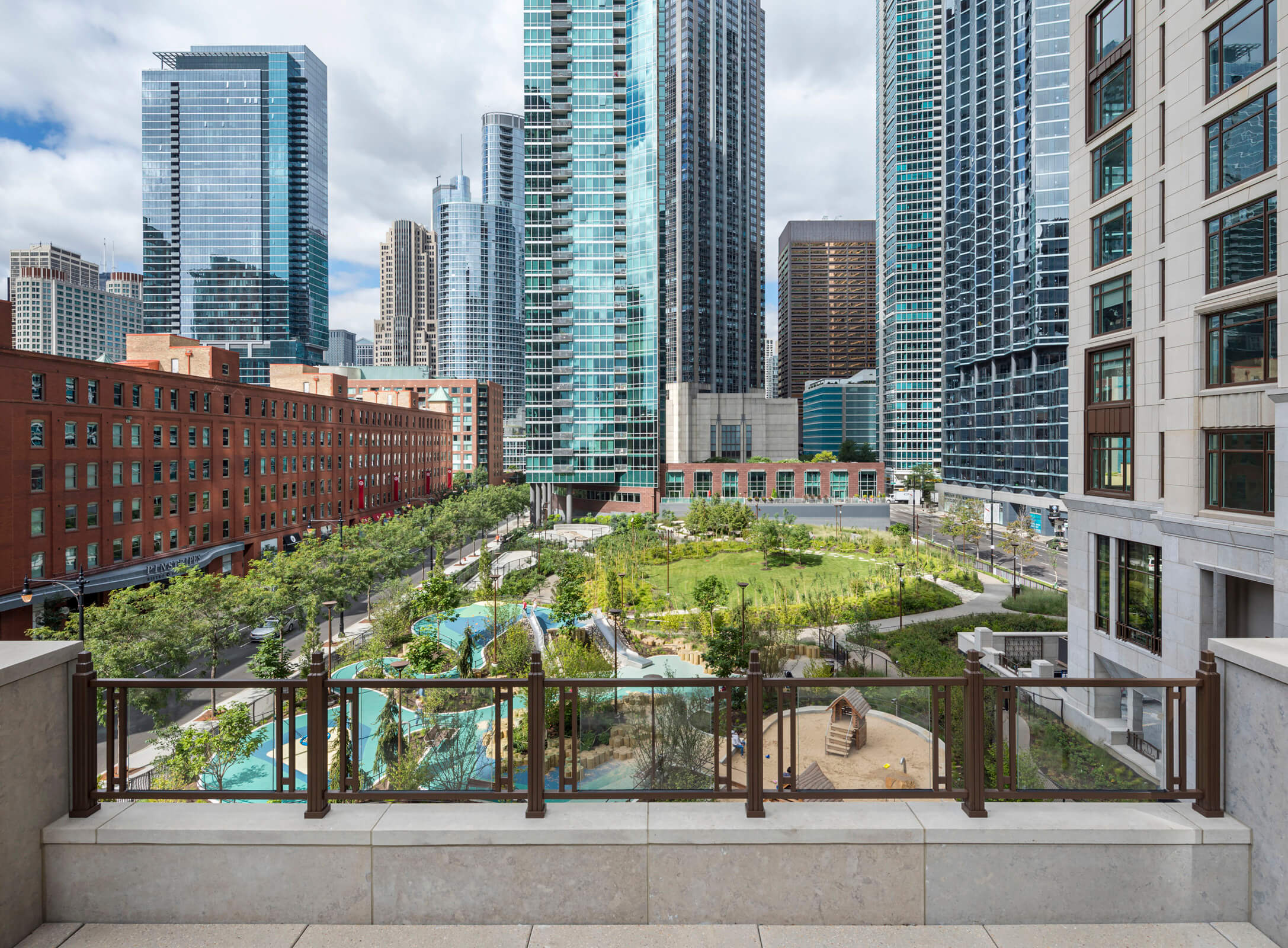
In tandem with the tower project, Michael Van Valkenburgh Associates transformed an adjacent underutilized site into Bennett Park, creating a new public open space and neighborhood gathering space. Together, the tower and park impart a lasting civic presence, bringing a sense of romance and permanence to Chicago's skyline while extending the architectural legacy of the city's great residential buildings into the twenty-first century.